
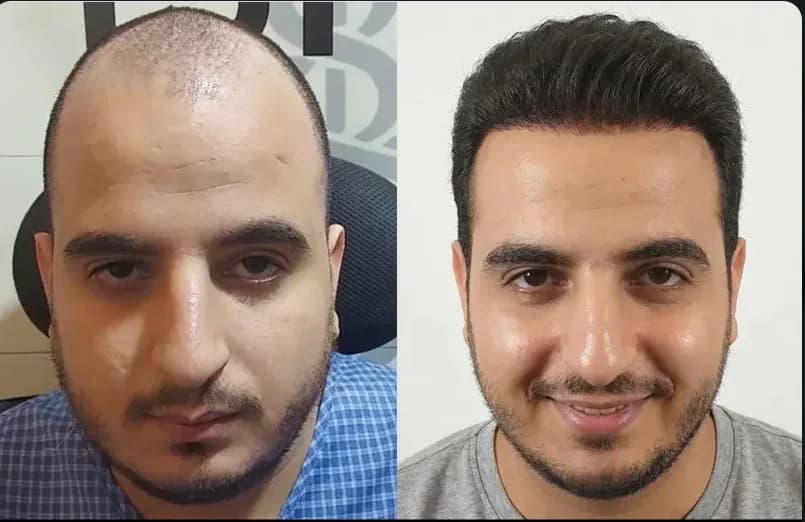
Hair loss is a common concern among men and women and can affect appearance, confidence, and overall quality of life. Factors such as genetics, hormonal changes, medical conditions, ageing, and lifestyle can contribute to hair thinning and baldness. While medications and non-surgical treatments may help manage certain types of hair loss, hair transplantation is an established surgical option for people who want to restore hair in areas affected by permanent hair loss.
If you are considering Hair Transplant in India, understanding the procedure, available techniques, treatment costs, recovery, and expected results can help you make an informed decision. India offers access to different hair restoration treatments, experienced hair transplant surgeons, and modern medical facilities.
For individuals looking for Hair Transplant in Delhi, choosing a qualified and experienced surgeon is particularly important. A personalized consultation helps evaluate the cause of hair loss, donor hair availability, scalp condition, and the most appropriate treatment approach.
This comprehensive guide covers everything you need to know about hair transplantation, including FUE hair transplant in Delhi, hair transplant cost in Delhi, beard transplantation, female hair restoration, surgical techniques, recovery, and frequently asked questions.
What Is Hair Transplant?
A hair transplant is a surgical procedure in which healthy hair follicles are taken from a donor area and transplanted into areas affected by hair thinning or baldness.
The donor area is commonly located at the back or sides of the scalp because hair follicles in these regions are often more resistant to androgen-related hair loss.
The transplanted follicles can continue producing hair after successful healing and growth.
How Does Hair Transplantation Work?
Hair transplantation involves three primary stages:
Donor area assessment: The surgeon evaluates the availability and quality of healthy hair follicles.
Follicle extraction: Individual follicular units or small tissue strips are collected using the selected surgical technique.
Implantation: The extracted follicles are carefully placed into the recipient area according to the planned hairline, direction, and density.
The objective of hair transplantation is to create a natural-looking hairline and improve hair coverage while using the available donor hair responsibly.
Why Choose Hair Transplant in India?
India has become an established destination for hair restoration procedures because patients can access different treatment techniques and specialist medical facilities.
Some reasons people consider Hair Transplant in India include:
Qualified medical professionals: Access to doctors with relevant training and experience in hair restoration.
Advanced techniques: Availability of FUE, FUT, and other follicular implantation approaches.
Personalised treatment planning: Hairline design, graft requirements, and donor management according to individual needs.
Modern medical facilities: Established hospitals and clinics with surgical infrastructure.
Different treatment options: Scalp, beard, eyebrow, and selected body hair restoration procedures.
Treatment accessibility: Hair restoration services are available in major cities, including Delhi and other metropolitan areas.
Before choosing a clinic, verify the surgeon's qualifications, experience, facility standards, hygiene protocols, and postoperative care arrangements.
Hair Transplant in Delhi: Who Is an Ideal Candidate?
Hair Transplant in Delhi may be suitable for individuals experiencing permanent hair loss who have sufficient healthy donor hair.
However, not everyone experiencing hair loss is an appropriate candidate for surgery.
You may be a potential candidate if:
You have male or female pattern hair loss.
You have a receding hairline.
You have thinning hair or bald patches.
You have stable hair loss and sufficient donor hair.
You want to improve the appearance of your hairline.
You have hair loss caused by certain injuries or previous procedures, subject to medical evaluation.
You have realistic expectations regarding hair density and coverage.
Patients with active scalp infections, certain inflammatory hair conditions, uncontrolled medical conditions, or insufficient donor hair may need alternative treatment or further evaluation.
A dermatologist or qualified hair transplant surgeon should identify the underlying cause of hair loss before recommending surgery.
Hair Transplant Surgery: Types of Techniques
Modern hair transplant surgery uses different techniques to collect and implant healthy hair follicles.
The two established harvesting techniques are FUE and FUT.
1. FUE Hair Transplant
FUE stands for Follicular Unit Extraction. It involves extracting individual follicular units from the donor area using a specialised instrument.
The extracted follicles are then implanted into the recipient area.
Benefits and features of FUE:
Individual follicular unit extraction.
No long linear donor scar.
Small circular extraction marks.
Suitable for many patients with different hair loss patterns.
Allows precise graft placement.
FUE is a commonly selected technique for patients seeking hair restoration with minimal linear scarring.
2. FUT Hair Transplant
FUT stands for Follicular Unit Transplantation. In this method, a thin strip of scalp tissue is removed from the donor area, and individual follicular units are separated under magnification.
The prepared grafts are then transplanted into the recipient area.
Features of FUT:
Follicles are collected from a strip of donor scalp.
Can provide a substantial number of grafts in selected patients.
Leaves a linear scar in the donor area.
Requires careful wound closure and postoperative care.
The surgeon determines whether FUE or FUT is more appropriate according to donor characteristics, hair loss pattern, and treatment goals.
FUE Hair Transplant in Delhi: Why Is It Popular?
FUE hair transplant in Delhi is a frequently considered option for individuals who want to restore hair without a long linear donor scar.
The procedure allows surgeons to extract individual follicular units and distribute them across areas of hair loss.
The technique can be used to address:
Receding hairlines.
Frontal hair loss.
Crown thinning.
Generalised pattern baldness.
Selected eyebrow and beard restoration cases.
However, FUE is not automatically the best option for everyone. Donor density, scalp characteristics, the number of required grafts, and long-term hair loss progression must be considered.
Hair Transplant Procedure: Step-by-Step Process
Understanding the hair transplant procedure helps patients know what to expect before, during, and after surgery.
Step 1: Consultation and Hair Analysis
The surgeon examines the scalp, identifies the pattern of hair loss, evaluates donor density, and discusses medical history.
A hairline design and estimated graft requirement are also considered.
Step 2: Donor Area Preparation
The donor area is prepared according to the selected harvesting technique. Hair may need to be trimmed or shaved depending on the surgical plan.
Step 3: Local Anaesthesia
Local anaesthesia is administered to minimise discomfort during follicle extraction and implantation.
Step 4: Hair Follicle Extraction
The surgeon or appropriately supervised surgical team extracts follicular units using the selected method.
Step 5: Graft Preparation
The extracted grafts are examined, sorted, and preserved under appropriate conditions before implantation.
Step 6: Recipient Area Preparation
Small recipient sites are created according to the desired hairline, angle, direction, and distribution of transplanted hair.
Step 7: Graft Implantation
The prepared follicular units are carefully placed into the recipient sites.
Step 8: Postoperative Care
The patient receives instructions regarding scalp washing, medication, sleeping position, activity restrictions, and follow-up appointments.
Best Hair Transplant Clinic in Delhi: How to Choose?
Choosing the Best hair transplant clinic in Delhi requires more than comparing prices or looking at promotional photographs.
A good clinic should prioritise medical safety, proper diagnosis, surgical planning, and long-term patient care.
Consider these factors before selecting a clinic:
Check the surgeon's recognised medical and surgical qualifications.
Verify experience in performing hair transplantation.
Ask who will perform the extraction and implantation steps.
Confirm appropriate medical supervision of the surgical team.
Review authentic before-and-after photographs with patient consent.
Ask about donor area management and graft survival expectations.
Understand infection prevention and surgical hygiene protocols.
Discuss potential complications and postoperative care.
Request a transparent treatment and cost breakdown.
Avoid clinics that guarantee a fixed number of grafts or promise unrealistic hair density without evaluating your donor area.
Best Hair Transplant Surgeon in Delhi: Why Expertise Matters
Selecting the Best hair transplant surgeon in Delhi is one of the most important decisions in the hair restoration process.
Hair transplantation requires an understanding of scalp anatomy, hair growth patterns, follicular unit characteristics, donor management, and natural hairline design.
An experienced surgeon evaluates:
The cause and progression of hair loss.
Donor area density and quality.
Recipient area dimensions.
Hairline shape and facial proportions.
Graft requirements.
Existing hair preservation.
Future hair loss possibilities.
Long-term treatment planning.
Patients should verify the surgeon's qualifications and ask about their personal involvement in the procedure.
The goal should be natural-looking, sustainable results rather than simply maximising the number of implanted grafts.
Hair Transplant Cost in Delhi: Complete Price Guide
One of the most common questions patients ask is about Hair transplant cost in Delhi.
The overall treatment cost depends on the number of grafts, surgical technique, surgeon's experience, clinic facilities, and individual hair restoration requirements.
There is no single fixed price applicable to every patient.
Factors Affecting Hair Restoration Cost
1. Number of Grafts
The required number of grafts is one of the major factors affecting the overall cost. Patients with extensive hair loss may require more grafts than those seeking hairline correction.
2. Hair Transplant Technique
FUE and FUT have different surgical requirements, and their costs may vary according to the clinic and treatment plan.
3. Surgeon's Experience
The surgeon's qualifications, experience, and involvement in the procedure can influence professional fees.
4. Clinic or Hospital Facilities
Medical infrastructure, operating facilities, equipment, sterilisation standards, and patient monitoring contribute to the total treatment expenses.
5. Donor Area Condition
The availability and quality of donor hair can influence surgical complexity and treatment planning.
6. Postoperative Care
Medications, follow-up consultations, scalp care products, and additional monitoring may also contribute to the total cost.
Hair Transplant Cost in New Delhi
The hair transplant cost in New Delhi varies according to the clinic, surgical technique, and number of grafts required.
Patients should request an individualised quotation rather than relying only on general online price estimates.
Hair Transplant Cost in India for Male Patients
The hair transplant cost in India for male patients generally depends on the extent of male pattern baldness, donor hair availability, and the number of grafts required.
Patients with a receding hairline may require a different treatment plan from those with advanced crown or frontal hair loss.
Female Hair Transplant Cost in India
The female hair transplant cost in India depends on the cause of hair thinning, the affected area, donor hair availability, and the surgical approach.
Female hair restoration requires careful diagnosis because hair loss in women can have several underlying causes. Diffuse thinning, hormonal conditions, and certain inflammatory disorders may require medical treatment rather than transplantation.
Hair Transplant Cost in Delhi NCR
The Hair transplant cost in Delhi NCR can differ between clinics depending on location, surgeon expertise, infrastructure, and treatment requirements.
When comparing an affordable hair transplant clinic in Delhi, always consider the quality of medical care, surgeon involvement, hygiene, and postoperative support.
Hair Transplant Me Kitna Paisa Lagta Hai?
If you are wondering hair transplant me kitna paisa lagta hai, the answer depends mainly on your hair loss condition and the number of grafts required.
For example, someone requiring a small number of grafts for hairline correction may have a different treatment cost from someone with extensive baldness.
The best way to understand the actual expense is to:
Schedule a scalp assessment.
Check donor area density.
Determine the approximate graft requirement.
Compare suitable surgical techniques.
Request a complete written quotation.
Avoid selecting a procedure simply because it is advertised as the cheapest hair transplant near me.
Hair Transplant Rate in India: What Should Be Included?
The hair transplant rate in India may be advertised per graft or as a complete package.
Before accepting a quotation, understand what is included.
Ask whether the price covers:
Initial consultation.
Scalp and donor area assessment.
Surgeon and medical team fees.
Surgical facility charges.
Anaesthesia.
Graft extraction and implantation.
Postoperative medications.
Follow-up consultations.
This helps patients compare treatment packages more accurately.
How Much Is Hair Transplant Surgery?
Patients searching for how much is hair transplant surgery should understand that pricing is personalised.
The final amount depends on the procedure, number of grafts, surgical technique, and medical facility.
Similarly, hair surgery cost in India varies according to the treatment centre and the patient's requirements.
A proper consultation is necessary to determine the number of grafts and the total expected expenditure.
Hair Transplant EMI Option: Is It Available?
Some clinics may offer a hair transplant EMI option through financing partners or other payment arrangements.
Availability depends on the clinic, financial provider, eligibility criteria, and applicable terms.
Before choosing EMI, ask about:
Total treatment price.
Down payment requirements.
Interest rates, if applicable.
Processing charges.
Monthly instalments.
Loan tenure.
Cancellation and refund conditions.
Patients should compare the total payable amount rather than focusing only on the monthly instalment.
Beard Transplant in Delhi: Restoring Beard Density
A Beard transplant in Delhi is a hair restoration procedure designed for men who want to improve beard density, fill patchy areas, or create a more defined beard appearance.
Healthy follicles are generally taken from a suitable donor area, commonly the scalp, and transplanted into the beard region.
Who Can Consider Beard Transplantation?
Potential candidates include men who:
Have naturally sparse beard growth.
Have patchy beard areas.
Have uneven beard density.
Have facial scars affecting beard growth.
Want to improve beard shape and fullness.
Best Beard Transplant in India
Patients looking for the best beard transplant in India should prioritise the surgeon's experience with facial hair restoration.
Beard hair has different growth directions and angles compared with scalp hair. Therefore, careful placement is essential for a natural-looking result.
Body Hair Transplant in Delhi
A body hair transplant in Delhi may be considered in selected patients when scalp donor hair is insufficient or when additional donor sources are required.
Depending on individual suitability, hair may be harvested from areas such as the beard or other body regions.
However, body hair differs from scalp hair in texture, growth cycle, and characteristics.
Not every patient is suitable for this technique, and the surgeon should carefully evaluate donor hair quality and expected results before recommending it.
Artificial Hair Transplant Cost in India: What Is the Difference?
People searching for artificial hair transplant cost in India should understand the difference between surgical hair transplantation and artificial hair implantation.
A traditional hair transplant uses the patient's own living hair follicles.
Artificial hair implantation involves synthetic fibres rather than naturally growing follicles and has different medical considerations, risks, and maintenance requirements.
It is not the same procedure as FUE or FUT hair transplantation.
Patients should discuss the safety, regulatory status, possible complications, and long-term maintenance requirements of artificial hair systems with a qualified medical professional before considering them.
Hair Transplant Hospital: What Facilities Should You Look For?
A suitable hair transplant hospital or surgical facility should maintain appropriate medical and safety standards.
Important facilities and services include:
Qualified medical professionals.
Properly equipped surgical rooms.
Sterilisation and infection control systems.
Appropriate anaesthesia support.
Emergency management arrangements.
Postoperative monitoring.
Follow-up and complication management.
A clinic's reputation alone is not enough. Patients should verify the actual facility and the medical professionals responsible for their treatment.
Hair Transplant Quotes: How to Compare Treatment Packages
When collecting hair transplant quotes, avoid comparing prices without understanding the treatment details.
Two clinics may provide different quotations because they recommend different graft numbers, techniques, and levels of medical supervision.
A useful quotation should clearly explain:
Recommended surgical technique.
Estimated number of grafts.
Donor and recipient area assessment.
Surgeon involvement.
Total treatment charges.
Additional expenses.
Postoperative follow-up arrangements.
The most affordable package is not necessarily the safest or most appropriate option.
Recovery After Hair Transplant Surgery
Recovery after hair transplantation is gradual. Patients should follow their surgeon's instructions to support healing and protect the transplanted follicles.
First 1–3 Days
Mild swelling, redness, or discomfort may occur.
Small scabs can develop around transplanted follicles.
Avoid touching, rubbing, or scratching the scalp.
Follow the recommended sleeping and washing instructions.
First 1–2 Weeks
Scabs gradually fall away.
Redness and swelling generally improve.
Avoid strenuous physical activities until cleared by the surgeon.
Follow the prescribed scalp care routine.
First 1–3 Months
Temporary shedding of transplanted hair, often called shock shedding, may occur. This is a common part of the hair transplant growth cycle.
3–6 Months
New hair growth may gradually become noticeable, although results vary between patients.
6–12 Months and Beyond
Hair density and appearance continue to improve. Final results are often assessed around 12 months, with some patients requiring longer depending on the treatment area and growth pattern.
Benefits of Hair Transplantation
Hair transplantation offers several potential benefits for appropriately selected patients.
Natural-looking hair restoration: Uses the patient's own follicles.
Long-term improvement: Successfully transplanted follicles can continue producing hair.
Personalised hairline design: Hairline shape can be planned according to facial proportions.
Improved coverage: Helps address selected areas of permanent hair loss.
Beard restoration: Can improve selected areas of patchy facial hair.
Individualised treatment: Graft number and placement can be tailored to the patient's needs.
However, results are not guaranteed, and existing non-transplanted hair may continue to thin over time.
Is Hair Transplant Surgery Safe?
Hair transplantation is an established surgical procedure, but it carries potential risks and complications.
These may include:
Infection.
Bleeding.
Swelling.
Temporary numbness.
Scarring.
Folliculitis.
Shock loss.
Poor graft growth.
Unnatural hairline appearance.
Donor area thinning or overharvesting.
A detailed medical evaluation and treatment by a qualified surgeon can help reduce avoidable risks.
Affordable Hair Transplant Clinic in Delhi: Is Cheap Treatment Worth It?
Patients often search for an affordable hair transplant clinic in Delhi or the cheapest hair transplant in Delhi.
While budget is an important consideration, choosing a clinic based only on low pricing can be risky.
Extremely low quotations may not clearly explain the number of grafts, surgeon involvement, medical facilities, or postoperative care.
Before choosing a clinic, compare:
Surgeon qualifications.
Treatment quality.
Graft estimation and donor management.
Surgical hygiene.
Transparent pricing.
Long-term patient support.
The objective should be safe and appropriate hair restoration rather than the lowest possible cost.
Book Your Hair Transplant Consultation in Delhi
Choosing hair transplantation is a personal decision that requires proper medical evaluation and realistic expectations.
If you are considering Hair Transplant in India, Hair Transplant in Delhi, or treatment in Delhi NCR, begin with a consultation with a qualified hair restoration specialist.
At Youngness Center, patients can discuss their hair loss concerns and explore suitable hair restoration options through personalised medical consultation.