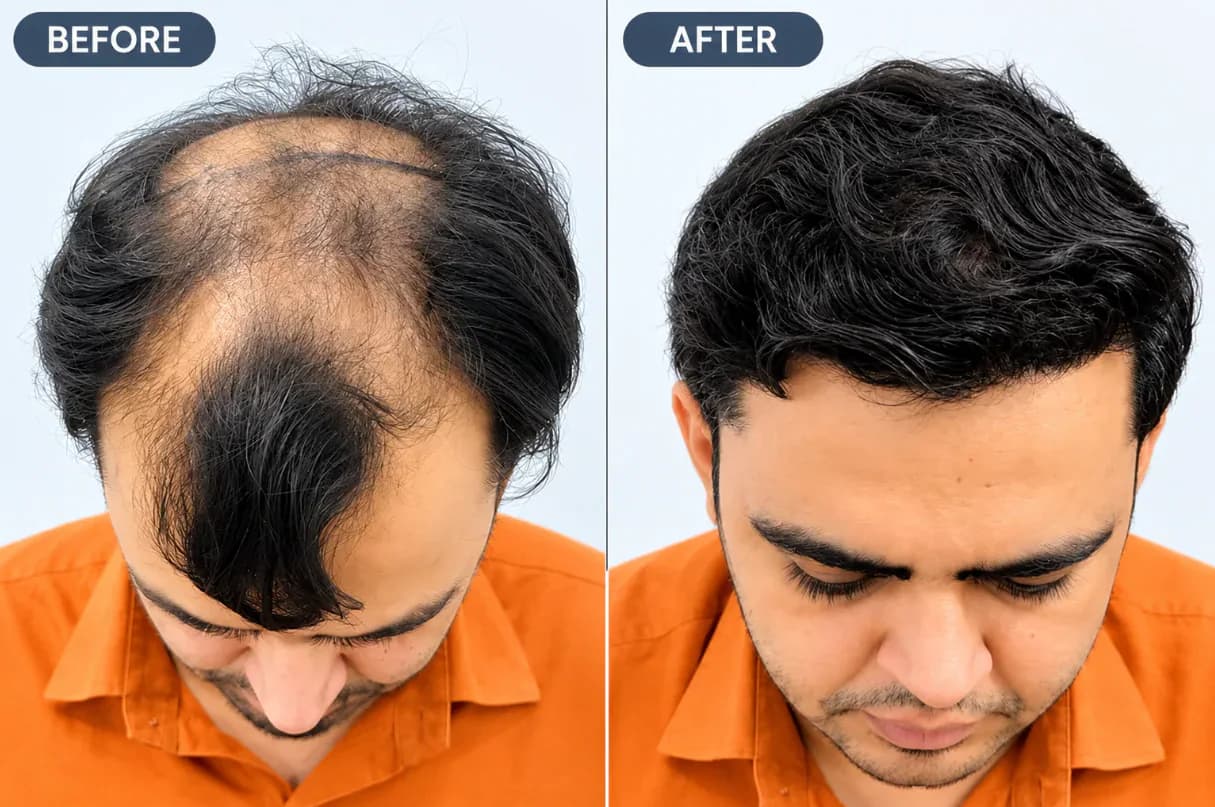
Hair loss is a common concern among men and women, affecting appearance, confidence and overall self-image. Factors such as genetics, hormonal changes, ageing, nutritional deficiencies, stress and certain medical conditions can contribute to hair thinning and baldness. While several treatments are available to manage hair loss, hair transplantation has become an increasingly popular option for people looking for long-term hair restoration. If you are searching for Hair Transplant in Delhi, understanding the procedure, treatment options, cost, recovery and expected results can help you make an informed decision. Delhi offers access to experienced hair restoration professionals, modern treatment facilities and advanced hair transplantation techniques. At Youngness Center, patients can explore personalised hair restoration options based on their hair loss pattern, scalp condition, donor hair availability and individual expectations. In this comprehensive guide, we will discuss everything you need to know about hair transplantation, including the FUE technique, hair transplant surgery, treatment costs, recovery and how to choose the best hair transplant clinic in Delhi. A hair transplant is a surgical hair restoration procedure in which healthy hair follicles are taken from a donor area, usually the back or sides of the scalp, and implanted into areas affected by hair thinning or baldness. The transplanted follicles are carefully positioned to create a natural-looking hairline and improve hair density. Since the procedure uses the patient's own hair follicles, it can provide long-lasting results when performed on suitable candidates with appropriate planning and aftercare. People experiencing male-pattern baldness, female-pattern hair loss, receding hairlines and certain types of permanent hair loss may be considered for hair transplantation after medical evaluation. The treatment plan depends on several factors, including: The extent and pattern of hair loss. The quality and density of donor hair. Scalp health and existing medical conditions. Age and future hair loss progression. Desired hairline and density. Individual expectations and treatment suitability. Delhi has become a popular destination for people considering advanced hair restoration treatments. Patients from different parts of India and Delhi NCR explore treatment options because of the availability of specialised clinics, trained medical professionals and modern hair restoration techniques. Choosing the right clinic is important because hair transplantation requires proper diagnosis, surgical planning, follicle handling and long-term follow-up. Some reasons people consider hair transplantation in Delhi include: 1. Access to Experienced Professionals Patients can consult qualified doctors who specialise in hair loss management and hair restoration procedures. 2. Advanced Hair Restoration Techniques Clinics may offer different hair transplantation approaches, including Follicular Unit Extraction (FUE), depending on patient suitability. 3. Personalised Treatment Planning Hair restoration plans can be customised according to hair loss severity, donor area availability, scalp condition and desired results. 4. Comprehensive Hair Loss Assessment A proper consultation helps identify the underlying causes of hair loss and determine whether surgery or non-surgical treatment is more appropriate. 5. Treatment Accessibility Patients searching for a hair transplant clinic in Delhi NCR can explore different treatment facilities across Delhi and nearby locations. Different hair transplantation techniques are available. The appropriate technique depends on the patient's hair characteristics, donor area, treatment goals and the doctor's assessment. Follicular Unit Extraction (FUE) is a commonly used hair transplantation technique in which individual follicular units are extracted from the donor area and implanted into the recipient area. The procedure involves small extraction sites rather than removing a large strip of scalp tissue. Key features of FUE: Individual hair follicle extraction. No traditional linear donor-area incision. Small extraction marks that generally heal over time. Suitable for selected patients with adequate donor hair. Allows customised hairline design. FUE hair transplant in Delhi is often considered by patients looking for a hair restoration procedure with less visible donor-area scarring than traditional strip surgery. Follicular Unit Transplantation (FUT) involves removing a strip of scalp tissue from the donor area. The strip is then divided into individual follicular units under magnification before transplantation. Key features of FUT: Multiple follicular units can be prepared from a donor strip. Usually leaves a linear scar in the donor area. Requires surgical closure of the donor site. May be suitable for selected patients based on donor characteristics. Your doctor can explain whether FUT or FUE is more appropriate for your hair restoration goals. A beard transplant is a hair restoration procedure designed to improve beard density, fill patchy areas or create a more defined beard appearance. In this procedure, suitable hair follicles are generally taken from the scalp donor area and implanted into selected beard regions. People considering the best beard transplant in India should consult an experienced medical professional to understand donor suitability, facial hair design and possible outcomes. Women may experience hair thinning, widening of the parting, reduced hair density or hairline changes due to several factors. Female hair transplantation may be considered in selected cases after identifying the cause of hair loss. The female hair transplant cost in India depends on the treatment area, number of grafts, technique and medical requirements. A proper diagnosis is essential because not every type of female hair loss is suitable for surgical transplantation. Body hair transplantation involves using hair follicles from selected body areas when scalp donor hair is insufficient or when additional donor options are being considered. However, body hair differs from scalp hair in texture, growth cycle and characteristics. It is not suitable for every patient and requires careful evaluation by an experienced doctor. Understanding the hair transplant procedure can help patients feel more confident before undergoing treatment. The process begins with a detailed consultation. The doctor evaluates your scalp, hair loss pattern, donor area and medical history. A personalised treatment plan is prepared based on your hair restoration goals. The doctor plans the hairline according to facial proportions, age, existing hair density and future hair loss considerations. A natural-looking hairline is important for achieving balanced results. The donor area is prepared according to the selected surgical technique. Local anaesthesia is generally used to minimise discomfort during the procedure. In FUE hair transplantation, individual follicular units are extracted carefully from the donor region. The extracted follicles are handled and preserved under appropriate conditions before implantation. Small recipient sites are created in the areas requiring hair restoration. Their direction, angle and distribution are carefully planned. The extracted follicles are implanted into the recipient area according to the planned hairline and density pattern. After the procedure, the medical team provides instructions regarding scalp care, washing, medication, activity restrictions and follow-up appointments. Following medical advice is important for supporting recovery and protecting the transplanted follicles. One of the most common questions patients ask is about the hair transplant cost in Delhi. The total treatment cost can vary considerably depending on the number of grafts, surgical technique, doctor's expertise, clinic facilities and individual treatment requirements. There is no single fixed price that applies to every patient because hair loss patterns and restoration needs differ. 1. Number of Grafts The number of grafts required is one of the major factors influencing hair transplant pricing. Patients with extensive baldness may require more grafts than those with minor hairline recession. 2. Treatment Technique FUE and FUT involve different surgical approaches, equipment and treatment requirements. The selected technique can influence the overall hair restoration cost. 3. Doctor's Experience The qualifications, surgical experience and expertise of the treating doctor may influence the treatment fee. 4. Clinic Facilities Medical infrastructure, surgical facilities, equipment, sterilisation standards and patient-care services can affect the overall pricing. 5. Hair Loss Condition The extent of baldness, donor hair quality and treatment complexity can influence the final treatment plan. 6. Additional Medical Requirements Some patients may require additional evaluation, follow-up care or supportive treatments depending on their condition. Patients comparing hair transplant cost in Delhi NCR should consider the quality of medical care rather than selecting a clinic based only on price. A reliable cost estimate should clearly explain: Estimated number of grafts. Recommended transplantation technique. Doctor's involvement in the procedure. Pre-procedure assessment. Post-procedure care. Follow-up consultations. Any additional treatment charges. If you are wondering, "Hair transplant me kitna paisa lagta hai?" the answer depends on your individual hair restoration requirements. Similarly, people searching for how much hair transplant surgery costs should understand that pricing is influenced by graft requirements, technique and clinic facilities. The best approach is to schedule a consultation and obtain a personalised quotation instead of relying on a general online estimate. Some clinics may offer an EMI option or flexible payment arrangements for eligible patients. Availability, interest rates, processing charges and payment terms depend on the clinic and financing provider. Before selecting an EMI option, ask for a complete breakdown of the total treatment cost and applicable charges. Selecting the best hair transplant clinic in Delhi is an important decision because the quality of surgical planning and medical care can influence your overall treatment experience. Consider the following factors before making your decision: 1. Qualified Medical Professionals Choose a clinic where the procedure is performed or appropriately supervised by qualified and experienced medical professionals. 2. Doctor's Hair Restoration Experience Check the doctor's relevant qualifications, experience and familiarity with different hair transplantation techniques. 3. Transparent Treatment Planning A reliable clinic should explain the recommended procedure, graft requirements, limitations, risks and expected recovery. 4. Hygiene and Medical Standards Check whether the clinic follows appropriate sterilisation, infection-control and patient-safety protocols. 5. Realistic Before-and-After Results Review genuine patient photographs where available, with appropriate consent. Results should be presented without misleading editing or exaggerated claims. 6. Post-Procedure Support Follow-up appointments and clear aftercare instructions are important parts of the hair transplantation journey. 7. Transparent Pricing The clinic should provide a clear quotation explaining what is included and whether additional charges may apply. If you are searching for the best hair transplant surgeon in Delhi, prioritise qualifications, surgical expertise, patient safety and realistic treatment recommendations. Hair transplant surgery may be suitable for individuals experiencing certain types of permanent hair loss. You may be considered for treatment if you: Have male-pattern baldness or selected forms of female-pattern hair loss. Have sufficient healthy donor hair. Experience a stable and medically assessed hair loss pattern. Want to improve hairline appearance or scalp coverage. Have realistic expectations regarding hair density and results. Are medically suitable for the procedure. However, patients with active scalp infections, certain medical conditions, inadequate donor hair or temporary hair shedding may need alternative treatment or further evaluation. A qualified doctor should determine whether hair transplantation is appropriate for you. Recovery is an important part of the hair restoration process. Patients should follow the clinic's instructions carefully to support healing and reduce the risk of complications. Mild redness, swelling, tenderness and small scabs may develop around the treated areas. These symptoms generally improve with appropriate care. The scalp gradually heals. Patients should follow the recommended washing routine and avoid unnecessary pressure or friction on the treated area. Some transplanted hair shafts may shed during the initial recovery phase. This is commonly known as shock loss and does not necessarily mean the transplanted follicles have failed. New hair growth may gradually become noticeable. The rate of growth varies between individuals. Hair density and appearance may continue improving. Final results can take approximately 12 months or longer, depending on the individual and treatment area. Proper aftercare helps protect the scalp during the healing period. Follow the prescribed medication schedule. Wash your scalp only as instructed. Avoid scratching or rubbing the recipient area. Protect your scalp from direct sun exposure. Avoid strenuous physical activity until medically cleared. Do not use unapproved hair products. Attend scheduled follow-up appointments. Contact your doctor if you experience unusual pain, increasing swelling, fever or signs of infection. Always follow your treating doctor's instructions because recovery requirements may differ between patients. Not every person experiencing hair loss requires surgery. Several non-surgical treatments may help manage certain types of hair thinning. Treatment Purpose Hair transplant Moves healthy follicles into selected areas PRP therapy Uses platelet-rich plasma as a supportive hair treatment GFC therapy Uses growth factor concentrate as a hair treatment option Medical treatment Helps manage certain causes of hair loss Scalp evaluation Identifies possible underlying scalp or hair conditions The appropriate treatment depends on the cause and severity of hair loss. Some patients may benefit from medical treatment alone, while others may be considered for a combination approach. Choosing a hair restoration clinic requires careful consideration of medical expertise, treatment planning and patient care. At Youngness Center, patients can explore personalised hair restoration options based on their individual concerns and clinical assessment. The focus of a hair restoration consultation should include: Detailed evaluation of the hair loss pattern. Assessment of donor hair availability. Personalised hairline and graft planning. Discussion of suitable hair transplantation techniques. Clear information about treatment costs. Guidance regarding recovery and aftercare. Follow-up support throughout the treatment journey. If you are looking for a hair transplant hospital or an affordable hair transplant clinic in Delhi, make sure to compare medical qualifications, treatment standards and overall care rather than choosing an option based only on the lowest advertised price. Searching for a hair transplant near me can help you discover hair restoration clinics in your area. However, proximity should not be the only deciding factor when selecting a treatment provider. Before booking an appointment, check: The clinic's location and accessibility. The doctor's medical qualifications. Hair transplant treatment options. Genuine patient feedback. Consultation and follow-up arrangements. Transparent treatment pricing. Patients living in South Delhi, Sarita Vihar, Noida, Faridabad and other parts of Delhi NCR can compare suitable clinics and select one based on their medical requirements. A hair transplant is a surgical procedure in which healthy hair follicles are taken from a donor area and implanted into areas experiencing hair loss. The transplanted follicles can produce new hair growth after the recovery period. The hair transplant cost in Delhi depends on the number of grafts, treatment technique, doctor's experience and clinic facilities. A personalised consultation is required to determine the actual cost. FUE and FUT are established hair transplantation techniques. FUE is commonly preferred by patients seeking to avoid a traditional linear donor scar, but the best option depends on individual suitability. Transplanted follicles are generally intended to provide long-term hair growth. However, existing non-transplanted hair may continue thinning, and additional treatment may be recommended. The required number of grafts depends on the size of the bald area, desired density, hair characteristics and available donor hair. A doctor can estimate the requirement during consultation. Local anaesthesia is generally used during hair transplantation to minimise discomfort. Some patients may experience mild soreness, tenderness or swelling after the procedure. The procedure duration depends on the number of grafts, selected technique and individual treatment complexity. Your doctor can provide an estimated timeline before surgery. Initial shedding can occur after surgery. New growth may become noticeable over the following months, with further improvement commonly occurring between 6 and 12 months or longer. Yes, selected women may be suitable candidates for hair transplantation. However, identifying the cause of hair loss and assessing donor hair availability are essential before recommending surgery. Yes, beard transplantation is available at selected hair restoration clinics. It may help improve beard density and fill patchy areas, depending on individual suitability. Yes, you can compare different clinics, but do not make your decision based only on the lowest price. Consider the doctor's qualifications, surgical involvement, hygiene standards and aftercare. Some clinics may provide EMI or flexible payment options through eligible financing arrangements. Contact the clinic to confirm availability and applicable terms. Hair transplantation generally involves moving a patient's own healthy follicles from one area to another. The term hair implantation is sometimes used informally for the same process, but the exact treatment should always be clarified with the doctor. Suitability depends on the availability and quality of donor hair. People with extensive baldness may have limited donor resources, so a medical assessment is necessary. Strenuous exercise should generally be avoided during the initial recovery period. Your doctor will advise when you can safely resume gym activities based on your healing progress. Hair loss can affect your confidence, but choosing the right treatment can help you take an informed step towards hair restoration. If you are considering Hair Transplant in Delhi, start with a professional consultation to understand the cause of hair loss, evaluate your donor area and explore suitable treatment options. At the Youngness Center, you can discuss your hair restoration goals, understand available procedures and receive guidance about treatment planning, recovery and estimated costs. Book your consultation today and take the first step towards personalised hair restoration care.What Is Hair Transplant?
Why Choose Hair Transplant in Delhi?
Types of Hair Transplant Procedures
1. FUE Hair Transplant in Delhi
2. FUT Hair Transplant
3. Beard Transplant in Delhi
4. Female Hair Transplant
5. Body Hair Transplant in Delhi
Hair Transplant Procedure: Step-by-Step Guide
Step 1: Initial Consultation
Step 2: Hairline Design
Step 3: Donor Area Preparation
Step 4: Hair Follicle Extraction
Step 5: Recipient Area Preparation
Step 6: Hair Follicle Implantation
Step 7: Post-Procedure Instructions
Hair Transplant Cost in Delhi: What Should You Expect?
Factors Affecting Hair Restoration Cost
Hair Transplant Cost in Delhi NCR
How Much Does Hair Transplant Cost in Delhi?
Hair Transplant EMI Option
How to Choose the Best Hair Transplant Clinic in Delhi?
Who Is an Ideal Candidate for Hair Transplant Surgery?
Recovery After Hair Transplant Surgery
First Few Days
First Two Weeks
First Few Months
Three to Six Months
Six to Twelve Months
Important Aftercare Tips Following Hair Transplantation
Hair Transplant vs Non-Surgical Hair Loss Treatments
Why Consider Youngness Center for Hair Transplant in Delhi?
Hair Transplant Near Me: Finding the Right Clinic
Frequently Asked Questions About Hair Transplant in Delhi
1. What is a hair transplant, and how does it work?
2. What is the hair transplant cost in Delhi?
3. Which is the best hair transplant technique?
4. Is hair transplant surgery permanent?
5. How many grafts are required for a hair transplant?
6. Is hair transplantation painful?
7. How long does a hair transplant procedure take?
8. When will I see results after hair transplantation?
9. Can women undergo hair transplant surgery?
10. Is beard transplant available in Delhi?
11. Can I choose an affordable hair transplant clinic in Delhi?
12. Is an EMI option available for hair transplant surgery?
13. What is the difference between hair transplant and hair implantation?
14. Is hair transplant suitable for complete baldness?
15. Can I return to the gym after a hair transplant?
Book Your Hair Transplant Consultation in Delhi
Youngness Center Blog
Hair Transplant in Delhi: Cost, Procedure, Best Clinic & Recovery Guide (2026)
Hair transplant in Delhi is an effective hair restoration option for people experiencing hair thinning, baldness or hairline recession.
10/11/2026 | Youngness Center Admin