R
Rahul Sharma
Noida, Uttar Pradesh
★★★★★
The medical team explained the surgical weight reduction process clearly and guided me through every stage. The personalised care and follow-up support made the experience reassuring.
Trusted by 30,000+ patients across Delhi NCR for affordable dermatology consultation, advanced hair transplant, proven skin treatments and personalised aesthetic care — without the celebrity-clinic markup.
Available in Delhi NCR, Gurugram and Jaipur
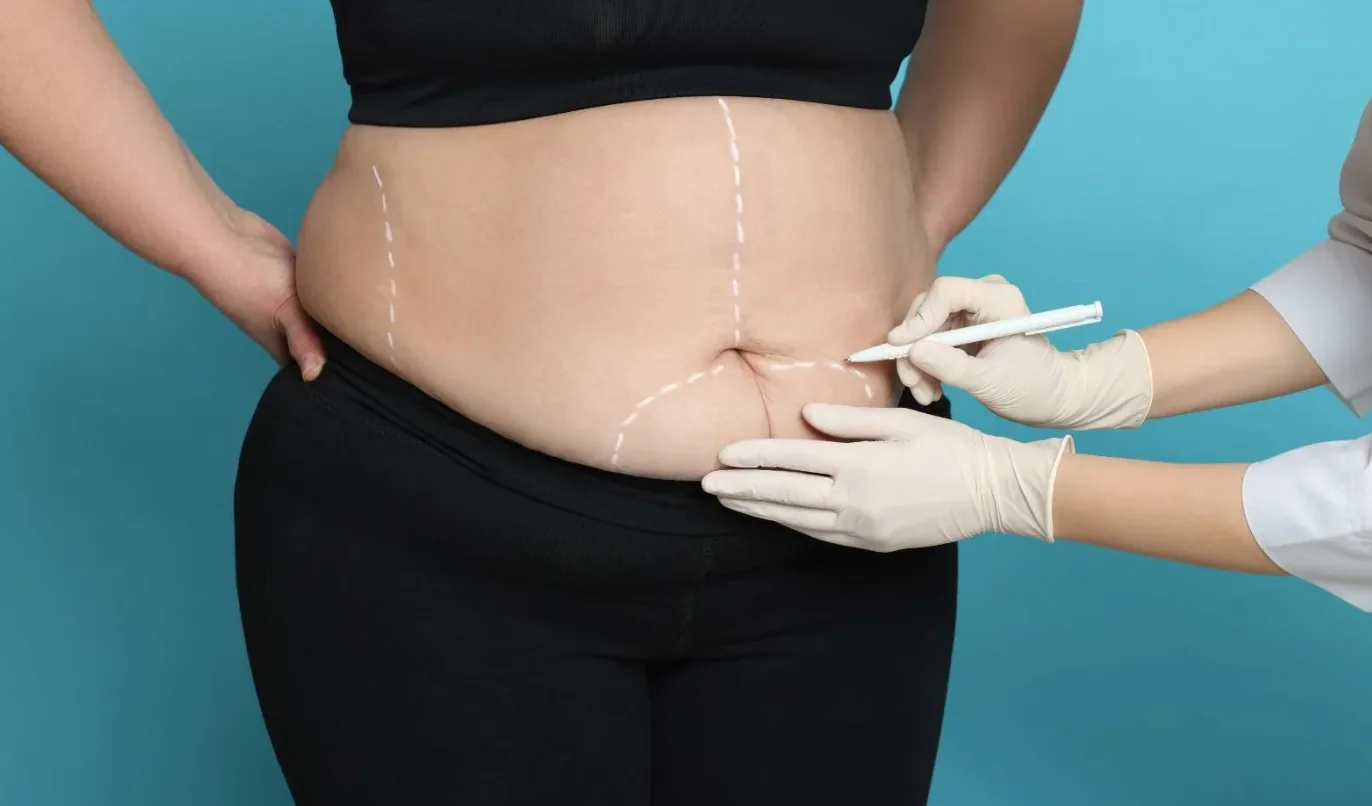
Surgical Weight Reduction
Surgical Weight Reduction in Delhi offers advanced bariatric procedures for individuals struggling with obesity and excess body weight. With personalised surgical planning, expert medical care, and post-operative guidance, patients can work towards sustainable weight loss and improved overall health.
Preparation helps patients understand the procedure and plan for recovery. Depending on individual needs, the medical team may recommend:
Completing all prescribed medical investigations.
Reviewing current medications and supplements with the treating team.
Following the recommended preoperative diet, if prescribed.
Stopping smoking or making other advised lifestyle changes.
Discussing existing medical conditions and previous surgeries.
Planning transport, home support, and time away from work.
Understanding the dietary, activity, and follow-up requirements after surgery.
Always follow instructions provided by your treating medical team. Do not stop prescribed medication or begin a restrictive diet without medical advice.
Recovery depends on the type of procedure, individual health, and whether complications occur. Patients should follow their surgeon's instructions regarding wound care, physical activity, diet progression, and return to normal activities.
After surgery, the care plan may include:
Gradually progressing through the recommended dietary stages.
Meeting individual protein, fluid, vitamin, and mineral requirements.
Attending scheduled surgical and medical follow-up appointments.
Monitoring nutritional status and addressing deficiencies.
Increasing physical activity as advised by the treating team.
Seeking support for changes in eating behaviour and emotional wellbeing.
Long-term follow-up is an essential part of bariatric care. Patients may need ongoing nutritional monitoring and prescribed supplements, sometimes for life, depending on the procedure and their individual requirements.




Surgical Weight Reduction for Long-Term Weight Management
Explore medically guided surgical weight reduction options with a focus on your health, individual needs, and long-term weight management goals. At Youngness Center, you can seek guidance on understanding obesity, evaluating suitable treatment options, and learning when specialist bariatric assessment may be appropriate.
What Is Surgical Weight Reduction?
Surgical weight reduction, commonly known as bariatric or metabolic surgery, is a medical treatment option for selected individuals living with obesity. These procedures change the size or function of the digestive system to help manage food intake, appetite, and, depending on the procedure, metabolic processes.
For people who have not achieved sufficient or sustainable results through non-surgical weight management, bariatric surgery may be considered after a comprehensive medical evaluation. It is not a cosmetic shortcut or a suitable option for everyone. The decision depends on several factors, including body mass index (BMI), existing health conditions, previous weight-management efforts, and the person's ability to follow long-term medical and lifestyle recommendations.
At Youngness Center, patients can explore information about surgical weight reduction, understand the importance of professional assessment, and discuss the next steps for appropriate care. Where surgery is being considered, evaluation and treatment should be provided by qualified bariatric specialists at an appropriately equipped medical facility.
Expert Bariatric Consultation
Comprehensive medical evaluation to understand obesity-related concerns and identify suitable surgical weight reduction options.
Personalised Surgical Planning
Individualised treatment planning based on BMI, medical history, health conditions, and weight management goals.
Advanced Bariatric Procedures
Access to suitable surgical options, such as gastric sleeve and gastric bypass, following specialist assessment.
Improved Health & Mobility
Supports significant weight reduction and may help improve obesity-related health conditions and everyday physical mobility.
Nutritional Guidance
Professional dietary recommendations to support nutritional needs and healthy eating habits before and after surgery.
Long-Term Follow-Up Care
Ongoing medical monitoring and lifestyle support to help patients maintain their weight loss and overall well-being.
Comprehensive Health Assessment
Detailed pre-surgical evaluation, including medical history and necessary health investigations, to determine surgical suitability and support patient safety.
Personalised Recovery Support
Structured post-operative care and follow-up guidance to support healing, nutritional health, and a gradual return to daily activities.
The most suitable surgical weight reduction procedure depends on an individual's BMI, medical history, obesity-related health conditions, and weight loss goals. Common bariatric surgery options include:
Gastric Sleeve Surgery: A procedure in which a portion of the stomach is removed to reduce its size and help limit food intake.
Gastric Bypass Surgery: Creates a smaller stomach pouch and reroutes part of the small intestine to reduce food intake and nutrient absorption.
Mini Gastric Bypass: A bypass procedure that creates a smaller stomach pouch and connects it to the small intestine through a single connection.
Adjustable Gastric Banding: Places an adjustable band around the upper stomach to create a smaller pouch and help control food portions.
Biliopancreatic Diversion with Duodenal Switch (BPD/DS): A complex bariatric procedure that combines stomach reduction with intestinal rerouting to limit food intake and nutrient absorption.


Bariatric surgery may be suitable for individuals with obesity who have not achieved sufficient results through lifestyle changes or other weight management approaches. Our approach focuses on a thorough medical evaluation, personalised treatment planning, and professional guidance throughout the weight loss journey. Patients receive information about suitable surgical options, dietary changes, recovery expectations, and long-term follow-up to support sustainable weight management and improved overall health. Eligibility is determined by a qualified bariatric specialist based on individual health needs and medical criteria.

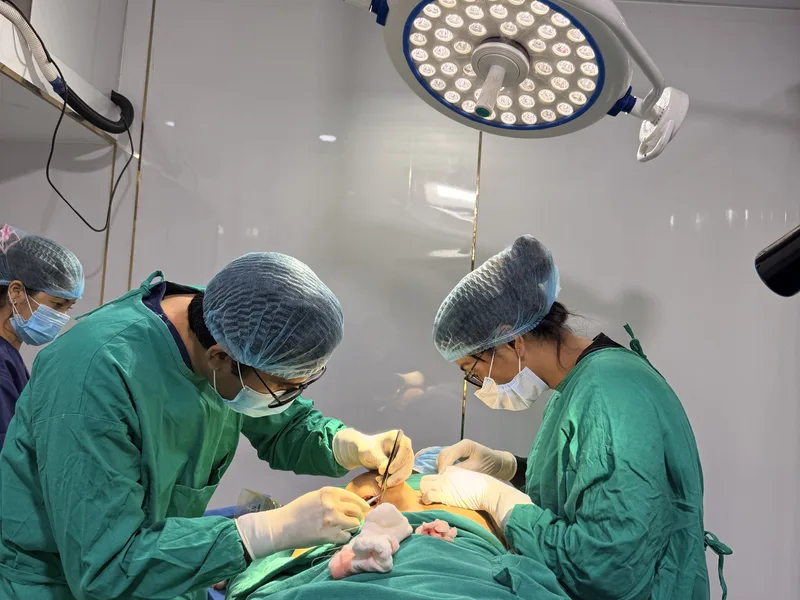



Surgical weight reduction can help eligible individuals manage severe obesity and improve overall health. Key benefits may include:
Surgical weight reduction may be considered for some adults with obesity, particularly when excess weight is affecting their health and other weight-management approaches have not provided adequate results.
A specialist may evaluate the following factors:
BMI is one factor used during assessment, but eligibility should not be determined by BMI alone. Guidelines and individual clinical circumstances influence when a specialist may recommend surgery.
A simple, well-planned process with guidance at every step.
Consultation
Detailed discussion about your goals, facial anatomy and suitability.
Procedure Planning
Personalised dimple placement and technique as per your facial features.
Aftercare & Follow-up
Guidance for recovery and follow-up visits to monitor healing.
A short outpatient procedure
Your doctor confirms the timing and recovery plan at your consultation.
At Youngness Center, you are guided by experienced dermatologists and clinicians who focus on safe techniques and natural-looking results.
Meet the Team →
Consultation
Procedure Planning
Aftercare & Follow-up
Surgical weight reduction, also known as bariatric surgery, includes medical procedures designed to help eligible individuals with severe obesity lose weight by reducing stomach capacity, altering digestion, or both.
Eligibility depends on factors such as BMI, obesity-related health conditions, medical history, and previous weight-loss attempts. A bariatric specialist can assess whether surgery is appropriate.
Common procedures include gastric sleeve surgery, gastric bypass, mini gastric bypass, adjustable gastric banding, and biliopancreatic diversion with duodenal switch.
Weight loss varies depending on the procedure, starting weight, health conditions, and lifestyle changes. Your surgeon can discuss realistic expectations during consultation.
Bariatric surgery is performed using established medical techniques, but like all major operations, it carries potential risks and complications. A thorough medical evaluation helps assess individual risks.
Recovery depends on the type of surgery and individual healing. Many patients gradually return to routine activities over several weeks, following their surgeon's instructions.
The cost depends on the surgical procedure, hospital facilities, medical investigations, surgeon's fees, and post-operative care. A consultation is required for an individual estimate.
Yes. Patients generally follow a staged diet, progressing from liquids to soft foods and eventually regular foods as advised by their healthcare team. Nutritional supplements may also be required.
Yes, weight regain is possible. Following dietary recommendations, staying physically active, attending follow-up appointments, and maintaining healthy habits can support long-term weight management.
You can contact the clinic to schedule a consultation. The specialist will review your medical history, assess your weight management needs, and discuss suitable treatment options.
📍 Delhi📍 Gurugram📍 JaipurPersonalised care, now in more cities.

Delhi

Gurugram

Jaipur

Start with a conversation
Fill in your details and our team will get in touch with you to schedule a consultation.