R
Rahul Sharma
Noida, Uttar Pradesh
★★★★★
I was noticing white beard hair at a young age and wanted to understand the reason. The consultation was helpful, and I received personalised guidance about beard care and suitable treatment options.
Trusted by 30,000+ patients across Delhi NCR for affordable dermatology consultation, advanced hair transplant, proven skin treatments and personalised aesthetic care — without the celebrity-clinic markup.
Available in Delhi NCR, Gurugram and Jaipur
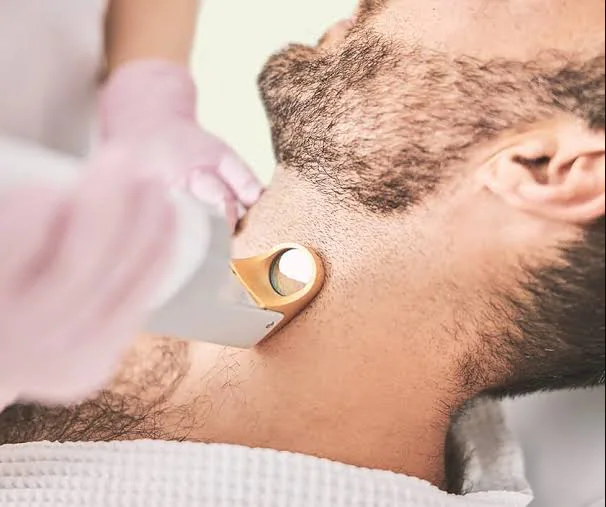
White Beard Hair Treatment
Our White Beard Hair Treatment focuses on identifying the causes of premature beard greying and recommending personalised solutions. Get expert guidance on beard pigmentation, nutritional health and suitable cosmetic treatments to maintain a well-groomed, natural-looking beard.
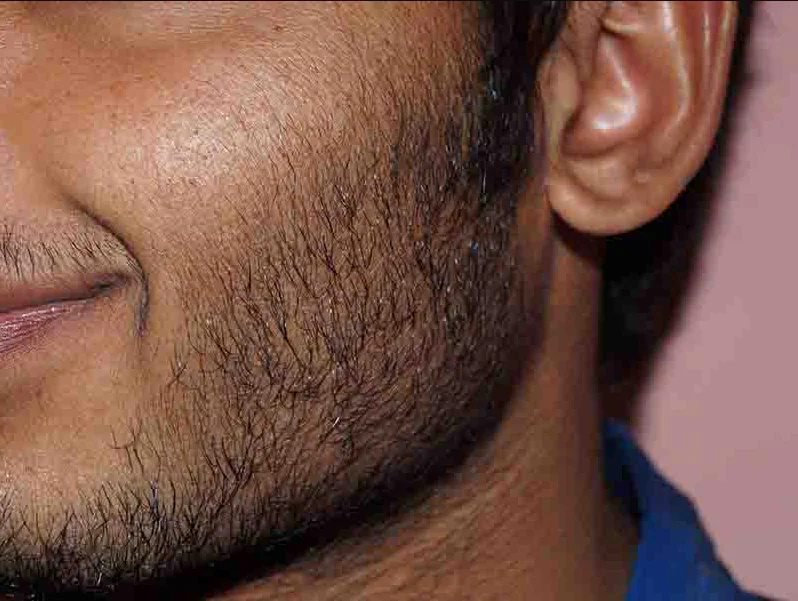
White beard hair can affect your overall appearance and confidence, especially when premature greying occurs at a young age. Our personalised White Beard Hair Treatment in Delhi focuses on understanding the causes of beard greying and exploring suitable solutions for a more youthful, well-groomed appearance. Before-and-after images can help showcase cosmetic improvements in beard colour, coverage and overall appearance. Depending on individual requirements, suitable beard-colouring options may help achieve a more natural-looking result. Every individual has different needs, and results may vary depending on the treatment approach and beard condition.
Choosing a professional consultation for premature beard greying offers several advantages:




White beard hair can affect your overall appearance and make you look older than your actual age. While beard greying is a natural part of ageing, many men experience premature white or grey beard hair during their 20s and 30s. Genetics, nutritional deficiencies, lifestyle habits and certain underlying health conditions may contribute to early changes in beard colour.
At our clinic, we focus on understanding the possible causes of premature beard greying and recommending suitable treatment options based on individual needs. Our approach to White Beard Hair Treatment in Delhi begins with a professional assessment of your beard, skin and overall hair health.
Whether you are experiencing a few white beard strands or widespread greying, a personalised consultation can help you understand your options for managing white facial hair and achieving a well-groomed appearance.
White beard hair treatment refers to different approaches used to manage premature greying, improve beard appearance and address potential underlying causes of pigmentation changes. Beard hair gets its natural colour from melanin, a pigment produced by specialised cells within hair follicles.
When these cells gradually reduce or stop producing melanin, beard hair starts turning grey or white. This process can occur naturally with age, but some men experience it much earlier.
Grey Beard Treatment focuses on identifying contributing factors and selecting an appropriate management plan. Depending on the individual's condition, this may involve nutritional evaluation, medical guidance, lifestyle improvements or cosmetic beard-colouring solutions.
It is important to understand that no proven treatment can reliably restore natural pigment to every white beard hair. Treatment recommendations therefore depend on the cause, extent of greying and individual expectations.
Expert Beard Assessment
Professional evaluation to identify possible causes of premature white and grey beard hair.
Personalised Treatment Plans
Individualised recommendations based on beard condition, pigmentation concerns and medical history.
Premature Greying Care
Guidance to manage early beard greying and identify potentially contributing factors.
Beard Pigmentation Solutions
Explore suitable cosmetic options for achieving a more uniform, natural-looking beard colour.
Nutritional Health Evaluation
Assessment of possible nutritional deficiencies associated with premature beard greying.
Professional Beard Care Guidance
Expert advice on maintaining healthy beard hair and choosing suitable grooming products.
You may consider a professional consultation if you notice:
Early assessment can help identify possible contributing factors and determine whether medical evaluation or cosmetic management is appropriate.
There is no single solution suitable for everyone experiencing white beard hair. Treatment depends on whether the concern is related to an underlying medical condition, nutritional deficiency or natural ageing.
A dermatologist can examine your beard, review your medical history and assess when the greying started. If required, investigations may be recommended to identify nutritional deficiencies or underlying health conditions.
Adequate nutrition supports normal hair follicle function. If a deficiency is identified, a doctor may recommend appropriate dietary changes or supplementation. Supplements should not be taken unnecessarily, as they do not reliably reverse genetic or age-related greying.
For individuals looking for an immediate cosmetic improvement, beard colouring products can help cover white and grey strands. Permanent, semi-permanent and temporary beard dyes are available in different shades.
A suitable product should be selected according to your natural beard colour and skin sensitivity. A patch test is important before using beard dye because certain ingredients can cause allergic reactions.
If premature beard greying is associated with a medical condition or nutritional deficiency, managing that condition may help address the contributing factor. However, restoration of natural beard colour cannot be guaranteed.
Maintaining a healthy lifestyle and following an appropriate beard-care routine can support overall hair and skin health. Gentle cleansing, moisturising, balanced nutrition and avoiding smoking are useful habits.
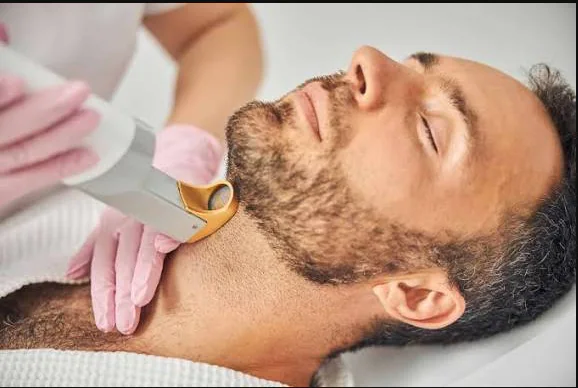
Although natural remedies cannot reliably reverse white beard hair, healthy habits can support normal hair and skin health.
Eat a Balanced Diet: Include protein-rich foods, vegetables, fruits, nuts and other nutrient-dense foods in your daily meals.
Manage Stress: Regular physical activity, adequate sleep and relaxation techniques can support overall well-being.
Avoid Smoking: Smoking is associated with premature hair greying and can negatively affect general health.
Maintain Beard Hygiene: Clean your beard regularly with a gentle cleanser and use a suitable moisturiser to maintain healthy facial skin.
Check Nutritional Health: If you experience premature greying, consult a healthcare professional about whether nutritional testing is appropriate.
Avoid relying on unverified home remedies, oils or supplements that claim to permanently turn white beard hair black.

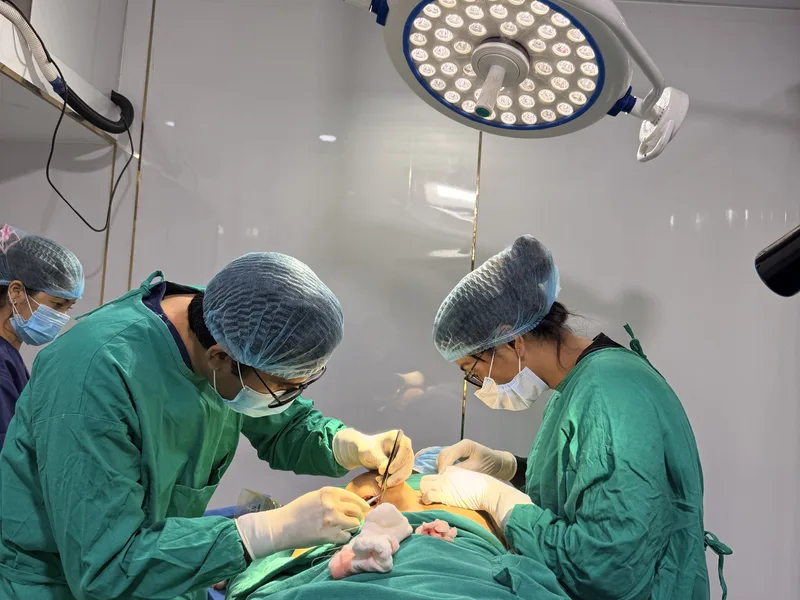

Understanding the reasons behind premature beard greying is the first step towards choosing an appropriate treatment.
Genetics plays an important role in determining when your beard starts turning grey. If your parents or close family members experienced premature greying, you may also develop white beard hair at an earlier age.
Certain nutritional deficiencies, particularly vitamin B12 and other important nutrients, have been associated with premature hair greying. A healthcare professional may recommend investigations when your medical history suggests a possible deficiency.
Oxidative stress occurs when free radicals and the body's antioxidant defence systems become imbalanced. This process may contribute to changes in hair follicle function and pigmentation over time.
Smoking has been associated with premature hair greying. Poor sleep, an unbalanced diet and ongoing lifestyle stress may also influence overall hair health.
Certain medical conditions, including thyroid disorders and some autoimmune conditions, may be associated with changes in hair pigmentation. Proper medical evaluation can help identify potential underlying problems.
Men experiencing premature white or grey beard hair, uneven beard pigmentation, or early signs of ageing who want expert guidance and personalised beard treatment solutions.
A simple, well-planned process with guidance at every step.
Consultation
Detailed discussion about your goals, facial anatomy and suitability.
Procedure Planning
Personalised dimple placement and technique as per your facial features.
Aftercare & Follow-up
Guidance for recovery and follow-up visits to monitor healing.
A short outpatient procedure
Your doctor confirms the timing and recovery plan at your consultation.
At Youngness Center, you are guided by experienced dermatologists and clinicians who focus on safe techniques and natural-looking results.
Meet the Team →
Consultation
Procedure Planning
Aftercare & Follow-up
Premature white beard hair may be associated with genetics, nutritional deficiencies, smoking, oxidative stress and certain medical conditions. A professional evaluation can help identify possible contributing factors.
In most cases, naturally white beard hair does not reliably regain its original colour. Occasionally, pigmentation changes may improve when an underlying contributing condition is addressed, but results cannot be guaranteed.
The best approach depends on the cause. Medical evaluation, correcting confirmed nutritional deficiencies and cosmetic beard-colouring solutions may be considered according to individual requirements.
Genetics is a common factor in early beard greying. Nutritional deficiencies, smoking and certain medical conditions may also contribute.
Certain deficiencies, especially vitamin B12 deficiency, have been associated with premature greying. Testing and supplementation should be guided by a healthcare professional.
There is currently no established permanent medical treatment that reliably restores natural pigment to grey beard hair. Cosmetic colouring generally requires maintenance as new hair grows.
Beard oils can moisturise facial hair and the underlying skin, but there is no reliable scientific evidence that they prevent or reverse natural beard greying.
Beard colouring can be suitable for many individuals when used correctly. However, some products may cause skin irritation or allergic reactions. Always follow product instructions and perform a patch test before application.
Research suggests that stress may contribute to hair greying through biological changes affecting pigment-producing cells. However, it is not the only cause, and individual responses vary.
You can consult a qualified dermatologist in Delhi for an assessment of premature beard greying. The specialist can evaluate possible causes and discuss suitable medical or cosmetic management options.
📍 Delhi📍 Gurugram📍 JaipurPersonalised care, now in more cities.
Delhi

Gurugram
Jaipur

Mathura
Start with a conversation
Fill in your details and our team will get in touch with you to schedule a consultation.