
P
Priya Sharma
Delhi, India
★★★★★
The consultation was professional and comfortable. The doctor explained the procedure clearly and respected my privacy throughout.
Trusted by 30,000+ patients across Delhi NCR for affordable dermatology consultation, advanced hair transplant, proven skin treatments and personalised aesthetic care — without the celebrity-clinic markup.
Available in Delhi NCR, Gurugram and Jaipur
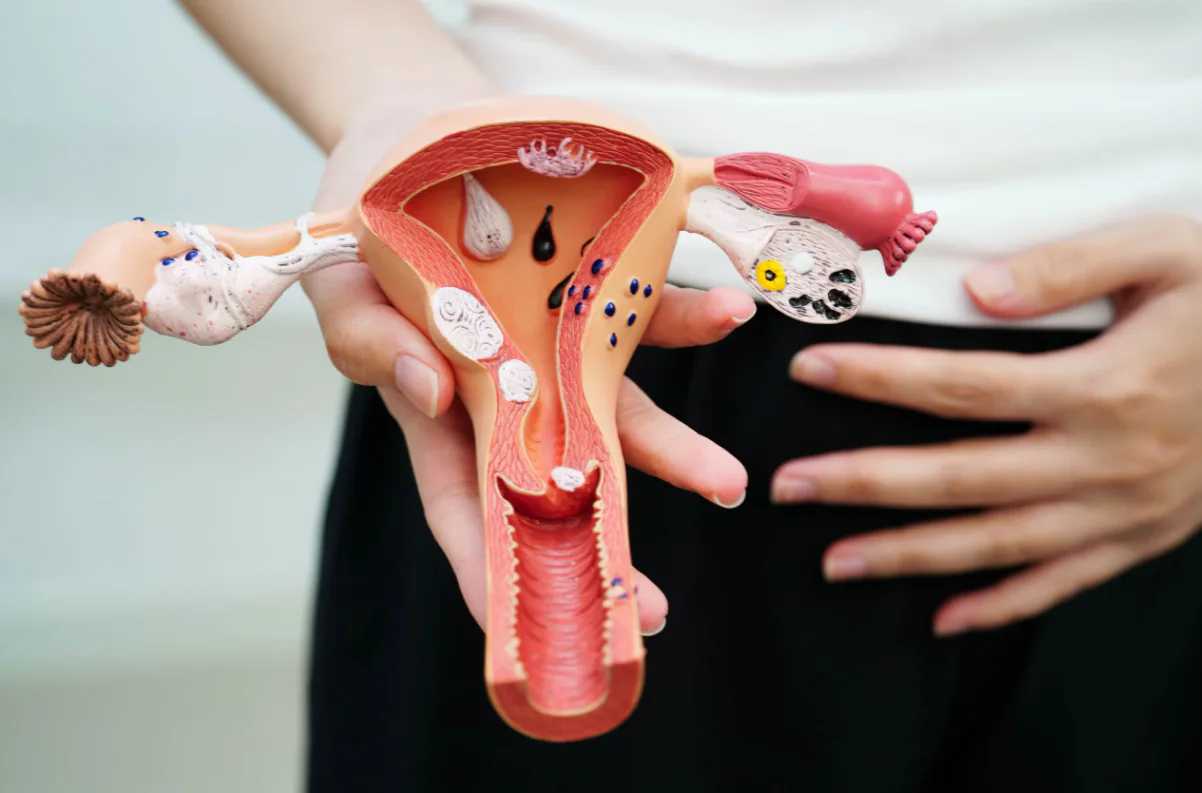
Hymenoplasty Surgery
Hymenoplasty surgery is a personalised procedure designed to reconstruct hymenal tissue through specialised surgical techniques. Our approach focuses on patient comfort, privacy, safety, and confidential medical care.
Hymenoplasty is a surgical procedure that involves reconstructing hymenal tissue. The appropriate technique depends on individual anatomy, tissue availability, and the surgeon's assessment.
1. Hymenal Tissue Repair: Existing hymenal tissue is carefully sutured together to reconstruct the tissue.
2. Hymen Reconstruction: Remaining hymenal tissue is reshaped and repaired using specialised surgical techniques.
3. Hymenoplasty with Tissue Grafting: In selected cases, additional tissue may be used when sufficient natural tissue is unavailable.
4. Hymenal Remnant Repair: Remaining hymenal tissue is used to create a reconstructed hymenal structure.
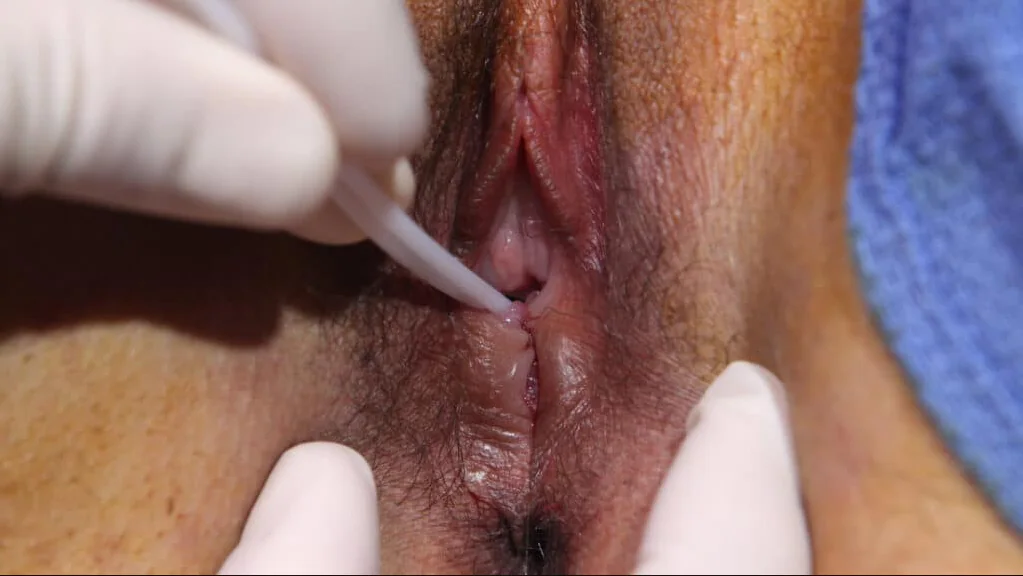
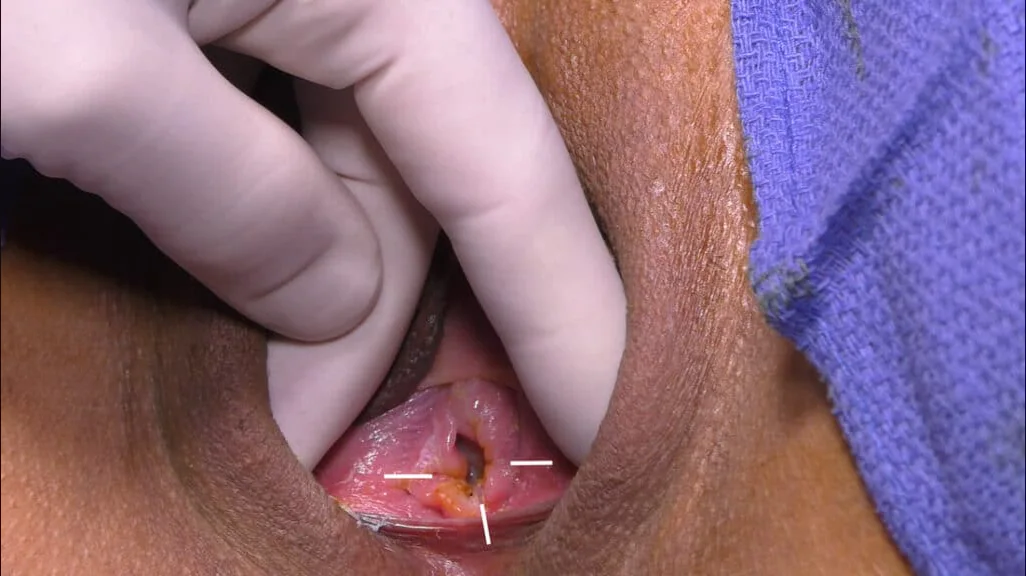
Hymenoplasty surgery in Delhi is a personalised procedure intended to reconstruct the hymenal tissue using an appropriate surgical technique. Before surgery, a confidential consultation helps the surgeon assess your medical history, discuss your expectations, and explain the procedure, potential risks, and recovery process.
After surgery, the reconstructed tissue requires time to heal. Mild discomfort, swelling, or spotting may occur during recovery, and following the surgeon’s aftercare instructions is essential. Individual outcomes vary depending on anatomy, the technique used, and the healing process.
If you are considering hymen repair surgery in Delhi, consult a qualified gynaecological surgeon to understand whether the procedure is appropriate for you.




Personalised Hymenoplasty Surgery for Confidential, Compassionate Care in Delhi
Hymenoplasty, also known as hymen reconstruction surgery, is a procedure intended to repair or reconstruct hymenal tissue near the vaginal opening. Adults considering this procedure may have personal reasons for exploring their options. Understanding the procedure, its limitations, recovery and potential risks is an important part of making an informed decision.
At Youngness Center, patients should receive individualized medical guidance, clear information and an opportunity to discuss their concerns with a qualified medical professional before deciding whether to proceed.
What Is Hymenoplasty Surgery?
Hymenoplasty is a surgical procedure intended to reconstruct hymenal tissue. The hymen is a thin, flexible tissue located around part of the vaginal opening. Its shape, thickness and elasticity vary naturally between individuals.
Hymenal tissue may change over time for various reasons, including physical activities, medical procedures and sexual activity. The appearance of the hymen cannot reliably establish whether someone has had sexual intercourse.
Hymenoplasty may involve repairing existing tissue or reconstructing the tissue using a surgical technique selected by the treating clinician. The recommended approach depends on the individual's circumstances and medical assessment.
Before considering treatment, it is important to understand that hymenoplasty cannot guarantee bleeding during future sexual activity or establish a person's sexual history. A consultation should explain the realistic possibilities, limitations, risks and alternatives.
Personalised placement
Designed to suit your facial features
Doctor assessment
Understand suitability and expected outcome
Recovery guidance
Clear information on recovery and aftercare
Hymenoplasty surgery is a personalised procedure that may help reconstruct hymenal tissue while prioritising patient comfort, privacy, and individual treatment needs.
1. Hymenal Tissue Reconstruction: Helps repair and reconstruct existing hymenal tissue
2. Personalised Treatment: Surgical techniques are selected according to individual anatomy and medical requirements.
3. Minimally Invasive Approach: The procedure generally involves small surgical incisions and specialised suturing techniques.
4. Discreet Medical Care: Provides a confidential treatment experience with professional medical guidance.
5. Short Procedure Time: The surgery is generally completed within a relatively short period.
6. Recovery Support: Personalised aftercare guidance helps support proper healing and recovery.
7. Improved Personal Confidence: May support an individual's personal goals and emotional comfort.
The procedure depends on the individual's anatomy, medical history and the clinician's assessment. The process generally includes the following stages.
1. Consultation and Medical Assessment
The first step is a consultation to discuss your medical history, concerns and expectations. The clinician may ask about relevant health conditions, medications, allergies and previous procedures.
This assessment helps determine whether the procedure is appropriate and whether additional evaluation is required.
2. Discussion of the Surgical Approach
If surgery is considered appropriate, the clinician explains the proposed technique, anaesthesia options, expected healing process and potential limitations. You should have an opportunity to ask questions and understand the possible risks before giving consent.
3. The Procedure
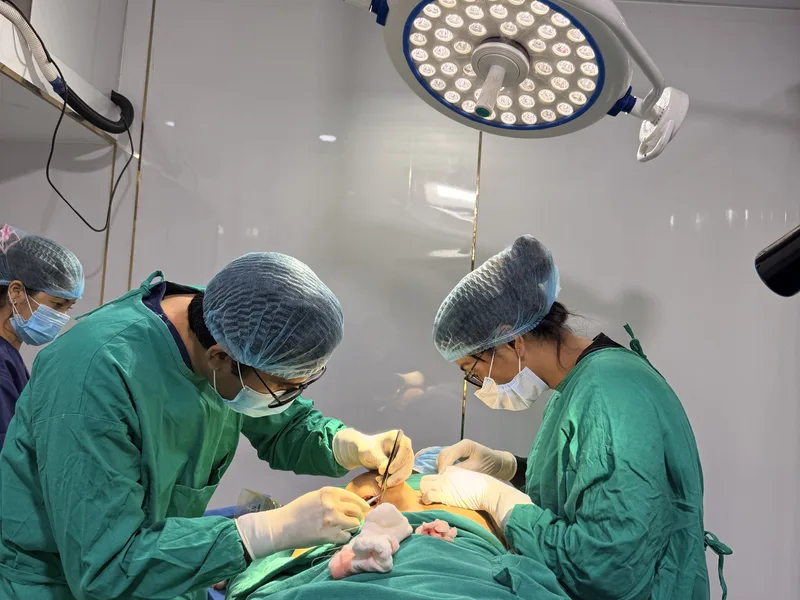
Depending on the selected technique, the surgeon may repair existing hymenal tissue using sutures or reconstruct the tissue using an appropriate surgical method. The technique, duration and anaesthesia requirements vary.
The procedure should be performed by a suitably qualified medical professional in an appropriate clinical setting.
4. Post-Procedure Care
After treatment, the medical team provides instructions for hygiene, medication, activity restrictions and follow-up appointments. Following these instructions is important for monitoring healing and identifying complications early.
Potential Benefits and Treatment Considerations
Hymenoplasty is an elective procedure rather than a treatment that is medically necessary for most people. Individuals may explore it for personal reasons, but it is important to understand what the procedure can and cannot achieve.
Treatment considerations include:
Results vary, and the procedure does not guarantee a particular appearance or future bleeding. Patients should discuss their expectations openly with the treating clinician before making a decision.
Recovery After Hymenoplasty Surgery
Recovery depends on the surgical technique, the extent of treatment and individual healing. Temporary discomfort, swelling, spotting or other symptoms may occur following the procedure.
Your surgeon will provide instructions based on your treatment. These may include:
Seek prompt medical attention if you experience fever, heavy bleeding, increasing pain, unusual discharge or worsening swelling.
There is no single recovery timeline that applies to everyone. Your clinician should explain when you can safely resume your usual activities.
A simple, well-planned process with guidance at every step.
Consultation
Detailed discussion about your goals, facial anatomy and suitability.
Procedure Planning
Personalised dimple placement and technique as per your facial features.
Aftercare & Follow-up
Guidance for recovery and follow-up visits to monitor healing.
A short outpatient procedure
Your doctor confirms the timing and recovery plan at your consultation.
At Youngness Center, you are guided by experienced dermatologists and clinicians who focus on safe techniques and natural-looking results.
Meet the Team →
Hymenoplasty is a surgical procedure designed to reconstruct or repair hymenal tissue using specialised surgical techniques.
Women seeking hymenal tissue reconstruction for personal or individual reasons may consider this procedure after consulting a qualified surgeon.
The procedure generally involves carefully repairing and suturing the remaining hymenal tissue. The technique depends on individual anatomy and tissue availability.
Hymenoplasty surgery generally takes around 30–60 minutes, depending on the surgical technique and individual requirements.
The procedure is usually performed under local or general anaesthesia. Mild discomfort, swelling, or tenderness may occur during recovery.
Initial recovery generally takes a few days, while complete healing may require approximately 4–6 weeks.
The reconstructed tissue undergoes healing and may vary in appearance over time. Individual results cannot be guaranteed.
The procedure generally involves small incisions and internal sutures. Visible scarring is usually minimal, depending on individual healing.
Yes, medical consultations and treatment should be handled with appropriate patient confidentiality and privacy protections.
The cost depends on the surgical technique, surgeon's expertise, anaesthesia requirements, and individual medical needs. A consultation is recommended for an accurate estimate.
 📍 Delhi
 📍 Gurugram
 📍 Jaipur
Personalised care, now in more cities.

Delhi

Gurugram

Jaipur

Mathura
Start with a conversation
Fill in your details and our team will get in touch with you to schedule a consultation.