Uneven skin tone, pigmentation, tanning, dark spots and dull-looking skin are common concerns for many people. Factors such as sun exposure, hormonal changes, ageing, acne marks and environmental pollution can affect skin appearance. If you are looking to improve your complexion and achieve a brighter, more even-looking skin tone, choosing the right Skin Whitening Treatment in Delhi can help address your specific skin concerns.
With advancements in dermatology and aesthetic medicine, several treatment options are available to improve pigmentation, reduce dark spots and enhance skin radiance. These include chemical peels, laser pigmentation treatments, dermatologist-prescribed skincare, medical facials and other advanced skin brightening procedures.
The best approach is not about changing your natural skin colour but about improving uneven pigmentation, treating dark patches and achieving healthier-looking skin.
If you are searching for the best skin whitening treatment in Delhi, it is important to understand the available procedures, their benefits, possible side effects and expected results before choosing a treatment.
In this comprehensive guide, we will explain different skin whitening and brightening treatments, full-body procedures, treatment costs, before-and-after results, recovery and how to choose the right dermatologist.
What Is Skin Whitening Treatment?
Skin whitening treatment is a commonly used term for dermatological procedures that aim to reduce excessive pigmentation, dark spots, tanning and uneven skin tone.
In clinical practice, these treatments generally focus on skin brightening, pigmentation management and improving overall complexion rather than changing a person's natural skin colour.
Melanin is the natural pigment responsible for skin colour. It is produced by specialised skin cells called melanocytes. Sometimes, excess melanin production or uneven distribution can result in dark patches, pigmentation and an uneven complexion.
Professional skin whitening procedures may help manage these concerns through different techniques, depending on the underlying cause.
Common treatment objectives include:
Reducing the appearance of dark spots.
Improving uneven skin tone.
Managing sun-induced pigmentation.
Reducing the appearance of tanning.
Improving post-acne pigmentation.
Enhancing overall skin radiance.
Supporting smoother and healthier-looking skin.
A dermatologist first identifies the cause of pigmentation before recommending a suitable treatment.
Why Do People Consider Skin Whitening Treatment?
Several factors can contribute to uneven skin tone and pigmentation. Understanding these causes helps determine which treatment may be appropriate.
1. Sun Exposure
Prolonged exposure to ultraviolet rays can stimulate melanin production, resulting in tanning, dark spots and uneven pigmentation.
2. Hormonal Changes
Hormonal fluctuations, pregnancy and certain medications can contribute to melasma and other pigmentation concerns.
3. Post-Inflammatory Hyperpigmentation
Dark marks can develop after acne, skin irritation, insect bites or inflammatory skin conditions.
4. Ageing
As the skin ages, sun damage and accumulated pigmentation may become more visible.
5. Environmental Factors
Pollution and environmental stressors can contribute to skin damage and dullness, although pigmentation usually has multiple underlying causes.
6. Improper Skincare
Using unsuitable skincare products, harsh bleaching agents or irritating home remedies can damage the skin barrier and sometimes worsen pigmentation.
Professional assessment helps identify the actual cause rather than treating every pigmentation concern in the same way.
Best Skin Whitening Treatment in Delhi: Advanced Treatment Options
There is no single procedure suitable for everyone. The best skin whitening treatment in Delhi depends on your skin type, pigmentation condition, medical history and desired results.
Here are some commonly used dermatological treatments.
1. Laser Skin Brightening Treatment
Laser treatments use specific wavelengths of light to target selected pigmentation concerns.
Depending on the device and treatment settings, laser procedures may help improve certain types of sunspots, pigmentation and uneven skin tone.
Benefits:
Targets selected pigmented areas.
Helps improve certain types of dark spots.
Can support a more even-looking complexion.
Treatment settings can be customised.
May improve the appearance of selected pigmentation concerns.
Laser treatment is not appropriate for every pigmentation condition. Some types of melasma, for example, can worsen after inappropriate laser treatment.
A dermatologist should assess your skin before recommending a laser procedure.
2. Chemical Peel Treatment
Chemical peels involve applying controlled chemical solutions to exfoliate the outer layers of the skin.
Depending on the type and concentration, chemical peels may help improve superficial pigmentation, tanning and post-acne marks.
Common peeling agents include:
Glycolic acid.
Lactic acid.
Salicylic acid.
Mandelic acid.
Other dermatologist-selected peeling solutions.
Benefits:
Helps improve superficial pigmentation.
Supports skin renewal.
Improves uneven skin texture.
Reduces the appearance of certain dark marks.
Can enhance skin brightness.
The peel concentration and frequency should be selected according to skin type and pigmentation severity.
3. Skin Brightening Treatment
A skin brightening treatment focuses on improving dullness, uneven skin tone and the appearance of pigmentation.
Depending on your skin condition, a dermatologist may recommend a combination of topical skincare, medical facials, chemical peels or selected laser procedures.
Common ingredients used in dermatologist-guided brightening routines include:
Vitamin C.
Niacinamide.
Azelaic acid.
Retinoids.
Other pigmentation-targeting ingredients.
Benefits:
Helps improve uneven skin tone.
Reduces the appearance of certain dark spots.
Supports a brighter-looking complexion.
Improves the appearance of dull skin.
Supports long-term pigmentation management.
Results depend on the underlying cause and consistency of treatment.
4. Skin Lightening Treatment Using Topical Products
A dermatologist may prescribe specific topical products to manage pigmentation and uneven skin tone.
Depending on the diagnosis, these may include azelaic acid, retinoids, hydroquinone for selected indications and other medically appropriate ingredients.
These products work through different mechanisms, such as reducing excess pigment production or increasing skin cell turnover.
Benefits:
Helps manage pigmentation.
Can improve post-acne dark marks.
May reduce the appearance of melasma.
Supports gradual improvement in skin tone.
Some prescription ingredients can cause irritation or other side effects and should not be used without medical guidance.
5. Medical Facial and Skin Rejuvenation
Medical facials are designed to cleanse, exfoliate and improve the appearance of the skin.
Depending on the procedure, they may include gentle exfoliation, hydration and selected skin-brightening ingredients.
Benefits:
Improves temporary skin dullness.
Supports skin hydration.
Helps remove surface impurities.
Enhances the appearance of skin radiance.
Can complement a dermatologist-guided skincare routine.
Medical facials are not a substitute for treating deep pigmentation or structural skin concerns.
6. Pigmentation Laser Treatment
Pigmentation laser treatment is designed to target specific types of excess pigment in the skin.
Depending on the diagnosis, a dermatologist may consider Q-switched or other appropriate laser technologies.
Benefits:
Helps treat selected pigmentation concerns.
Targets certain dark spots.
Can improve the appearance of sun damage.
May support a more even-looking complexion.
Treatment settings are particularly important for darker skin tones because inappropriate laser use can cause burns or post-inflammatory hyperpigmentation.
Face Whitening Treatment: How Can Facial Pigmentation Be Improved?
The face is frequently exposed to sunlight and environmental factors, making it particularly vulnerable to tanning, dark spots and uneven pigmentation.
A professional face whitening treatment generally focuses on improving facial pigmentation and restoring a more even-looking complexion.
Depending on the condition, possible treatment options include:
Chemical peels.
Pigmentation laser treatment.
Dermatologist-prescribed topical products.
Medical skin-brightening procedures.
Sun protection and maintenance skincare.
Common Facial Concerns Addressed
1. Dark Spots: Localised areas of pigmentation may improve with suitable topical treatments or selected procedures.
2. Melasma: This condition causes brown or grey-brown patches, often on the cheeks, forehead and upper lip. It generally requires long-term management.
3. Tanning: Sun-induced tanning may gradually improve with sun protection and appropriate skincare.
4. Post-Acne Marks: Dark marks left after acne may respond to selected topical ingredients and professional procedures.
5. Dull Skin: Hydration, gentle exfoliation and appropriate skincare can improve the appearance of dullness.
The right facial treatment should be selected after evaluating the cause of pigmentation.
Full Body Whitening Treatment: What Are the Available Options?
People searching for Full Body Whitening Treatment are generally interested in improving uneven skin tone, tanning and pigmentation across multiple body areas.
Full-body skin treatments require special consideration because different body areas have different skin thickness, sensitivity and pigmentation patterns.
Rather than applying one procedure to the entire body, a dermatologist may recommend individual treatment plans for areas such as:
Face and neck.
Arms and hands.
Legs.
Back.
Underarms.
Elbows and knees.
Possible treatment approaches include dermatologist-prescribed topical products, selected chemical peels and specific pigmentation procedures.
Is Full Body Skin Whitening Treatment Safe?
The safety of full-body treatment depends on the procedure, products used, concentration and skin condition.
Treating large areas with strong bleaching agents or unsuitable chemicals can cause significant irritation and other complications.
Avoid unregulated whitening injections, intravenous glutathione marketed for skin whitening and products containing mercury or undisclosed steroids.
There is no established safe procedure that permanently changes your natural skin colour across the entire body.
A qualified dermatologist can recommend suitable options for specific pigmentation concerns.
Permanent Skin Whitening Treatment: Is It Really Possible?
One of the most common questions people ask is whether Permanent Skin Whitening Treatment is possible.
The answer is important: no currently established dermatological treatment can safely and permanently change a person's genetically determined natural skin colour.
Professional skin treatments can improve certain pigmentation conditions, reduce tanning and make the complexion appear more even.
However, results may require maintenance because:
Sun exposure can cause pigmentation to return.
Hormonal changes can trigger melasma.
Acne can leave new dark marks.
Ageing can contribute to new pigmentation.
Some skin conditions are chronic and may recur.
Therefore, the aim of treatment should be long-term pigmentation control and healthier-looking skin rather than permanent alteration of natural skin colour.
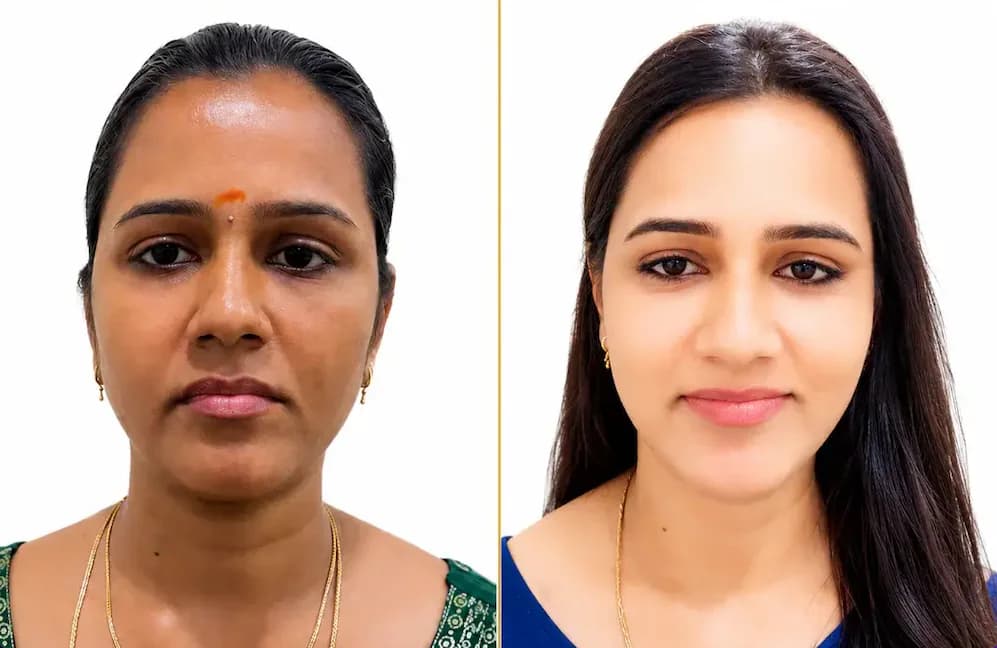
Skin Whitening Treatment Before and After: What Results Can You Expect?
Skin Whitening Treatment Before and After results depend on the pigmentation condition, selected procedure, skin type and individual response.
Before treatment, individuals may experience:
Uneven skin tone.
Visible tanning.
Dark spots.
Melasma patches.
Post-acne pigmentation.
Dull-looking skin.
Pigmentation on the face or body.
After an appropriate treatment plan, possible improvements include:
Reduced appearance of selected dark spots.
More even-looking skin tone.
Improved appearance of tanning.
Reduced post-acne pigmentation.
Brighter-looking complexion.
Improved overall skin appearance.
How Long Does It Take to See Results?
Some treatments may produce visible changes within a few weeks, while persistent pigmentation can require several months of management.
Chemical peels and certain laser procedures may require multiple sessions.
Melasma and other recurring pigmentation conditions often need long-term maintenance.
Before-and-after photographs should be genuine, taken with patient consent and captured under similar lighting conditions. Results should never be digitally altered or presented as guaranteed outcomes.
Skin Whitening Treatment Side Effects: What Should You Know?
Every cosmetic or dermatological procedure carries some potential risks.
Understanding Skin Whitening Treatment Side Effects is important before starting any procedure.
Possible side effects depend on the treatment selected.
Common Temporary Side Effects
Mild redness.
Temporary irritation.
Skin sensitivity.
Dryness or peeling.
Temporary swelling.
Increased sensitivity to sunlight.
Potential Complications
Certain unsuitable procedures or improperly used products may cause:
Burns.
Blistering.
Post-inflammatory hyperpigmentation.
Hypopigmentation or lighter patches.
Scarring.
Worsening of existing pigmentation.
Risks of Unregulated Whitening Products
Some unregulated skin-lightening products may contain harmful ingredients such as mercury or potent corticosteroids.
Prolonged or inappropriate use can cause skin thinning, visible blood vessels, irritation and other health problems.
Similarly, intravenous glutathione marketed for skin whitening has not been established as a safe and effective cosmetic whitening procedure.
Always consult a qualified dermatologist before using prescription bleaching creams, strong chemical peels or laser treatments.
Skin Whitening Treatment by Dermatologist: Why Professional Care Matters
Choosing a Skin Whitening Treatment by Dermatologist is important because pigmentation can have different underlying causes.
Treating melasma, tanning, post-acne pigmentation and sunspots with the same procedure may not produce suitable results.
A dermatologist can:
Examine your skin and identify pigmentation patterns.
Review your medical and skincare history.
Identify possible triggers.
Recommend suitable treatment options.
Explain possible side effects.
Monitor your progress.
Adjust treatment according to your skin's response.
Professional assessment is especially important for people with sensitive skin, darker skin tones, melasma or a history of pigmentation after cosmetic procedures.
Skin Whitening Treatment Cost in Delhi: What Factors Affect Pricing?
The Skin Whitening Treatment Cost in Delhi varies depending on the procedure, treatment area, technology and number of sessions required.
There is no single fixed price for every individual because facial pigmentation, full-body pigmentation and laser treatments require different approaches.
Factors Affecting Skin Whitening Treatment Cost
1. Type of Treatment
Chemical peels, pigmentation lasers, medical facials and prescription skincare have different costs.
2. Treatment Area
Treating the face alone may have a different cost from treating the face, neck, arms or other body areas.
3. Number of Sessions
Some pigmentation conditions require multiple sessions and maintenance treatments.
4. Technology Used
The equipment and technology selected may influence the overall cost.
5. Skin Condition
The severity and type of pigmentation can affect the treatment plan.
Body Whitening Treatment Price
The body whitening treatment price depends on the specific area being treated and the procedure recommended.
Similarly, skin lightening price and skin bleaching cost vary according to the product or procedure involved.
For an accurate estimate, consult a dermatologist rather than relying on a general online price.
Avoid choosing strong bleaching procedures simply because they are inexpensive.
Full Body Whitening Laser Treatment: Is It Suitable for Everyone?
People searching for Full Body Whitening Laser Treatment should understand that lasers are designed to target specific skin concerns rather than safely whiten the entire body.
A dermatologist may recommend laser treatment for selected pigmentation conditions affecting particular areas.
For example:
Certain sunspots.
Selected pigmented lesions.
Specific types of pigmentation.
Some forms of post-inflammatory hyperpigmentation.
However, laser procedures are not suitable for all skin conditions.
Treating extensive body areas requires careful assessment, appropriate equipment and consideration of potential complications.
There is no proven laser procedure that permanently changes a person's natural skin colour throughout the body.
Skin Brightening Laser Treatment: How Does It Work?
A Skin Brightening Laser Treatment uses controlled light energy to target selected skin concerns.
Depending on the technology, the procedure may target pigment, stimulate skin remodelling or improve the appearance of certain skin imperfections.
Benefits of Laser Skin Brightening
Helps improve selected pigmentation.
Can reduce certain dark spots.
Improves the appearance of sun-damaged skin.
May create a more even-looking complexion.
Can complement other dermatological treatments.
Is Laser Treatment Safe for Indian Skin?
Laser treatment can be performed on many Indian skin types, but appropriate technology and settings are essential.
Darker skin tones have a greater risk of post-inflammatory hyperpigmentation following certain procedures.
A dermatologist should assess your skin and select a suitable treatment approach.
White Skin Treatment: Understanding Skin Colour and Pigmentation
The term White Skin Treatment is commonly used in online searches, but dermatology focuses on skin health, pigmentation management and an even complexion.
Natural skin colour is influenced by genetics and melanin production. It is not a medical condition that needs to be changed.
If you have concerns about dark patches, tanning, melasma or uneven skin tone, appropriate treatment can help address these specific issues.
A healthy-looking complexion does not require changing your natural skin colour.
Is Skin Whitening Treatment Permanent?
A common question is: Is Skin Whitening Treatment Permanent?
The answer depends on what is being treated.
Some superficial pigmentation concerns may improve significantly with suitable treatment. However, pigmentation can return due to sunlight, hormonal changes, inflammation and other triggers.
For example:
Sun-induced tanning can develop again after UV exposure.
Melasma can recur even after successful treatment.
Post-acne marks can develop after new acne breakouts.
Age-related pigmentation may appear over time.
Consistent sun protection and dermatologist-recommended maintenance skincare are important for maintaining improvements.
How to Maintain Skin Brightness After Treatment
Professional procedures work best when supported by a suitable daily skincare routine.
Follow these recommendations:
1. Use Broad-Spectrum Sunscreen
Apply SPF 30 or higher sunscreen daily. Reapply approximately every two hours when outdoors, and after swimming or excessive sweating.
2. Follow a Gentle Skincare Routine
Use a mild cleanser and moisturiser suitable for your skin type.
3. Avoid Harsh Bleaching Products
Do not use unknown whitening creams or products containing undisclosed ingredients.
4. Follow Dermatologist Instructions
Use prescribed products according to the recommended dosage and duration.
5. Avoid Excessive Exfoliation
Over-exfoliation can irritate the skin and worsen pigmentation.
6. Maintain Regular Follow-Ups
Persistent pigmentation may require ongoing treatment and monitoring.
Best Dermatologist for Skin Whitening: How to Choose the Right Clinic in Delhi
Choosing the Best Dermatologist for Skin Whitening involves more than comparing treatment prices or advertisements.
Consider the following factors before selecting a clinic:
Qualified and experienced dermatologist.
Proper skin and pigmentation assessment.
Suitable treatment options.
Appropriate laser technology.
Transparent explanation of risks and benefits.
Proper hygiene and clinical safety.
Genuine patient photographs with consent.
Follow-up and aftercare support.
Avoid clinics that promise guaranteed permanent whitening, immediate dramatic colour changes or risk-free full-body whitening.
A responsible dermatologist should explain realistic outcomes and recommend treatment according to your skin's needs.
Skin Whitening Clinic Near Me: Choosing Professional Treatment
If you are searching for a Skin Whitening Clinic Near Me or Skin Brightening Treatment Near Me, look for a professional clinic that provides personalised dermatological consultations.
Important things to check include:
Availability of qualified skin specialists.
Appropriate treatment technology.
Individual skin assessment.
Safe treatment protocols.
Transparent treatment costs.
Proper aftercare and follow-up.
For people looking for Skin Whitening Treatment in Delhi, selecting a clinic with a focus on pigmentation management and skin health is an important first step.
Frequently Asked Questions About Skin Whitening Treatment in Delhi
1. What is skin whitening treatment?
Skin whitening treatment is a commonly used term for procedures that improve pigmentation, tanning, dark spots and uneven skin tone. Dermatological treatments generally focus on achieving a more even and healthier-looking complexion.
2. Which is the best skin whitening treatment in Delhi?
The best treatment depends on your skin type and pigmentation condition. Chemical peels, selected laser procedures and dermatologist-prescribed topical products are commonly used options.
3. Is skin whitening treatment permanent?
No treatment can permanently change genetically determined natural skin colour. Pigmentation may improve, but tanning and certain pigmentation conditions can return over time.
4. What is the cost of skin whitening treatment in Delhi?
The cost depends on the procedure, treatment area, technology and number of sessions. A dermatologist can provide an individual estimate after examining your skin.
5. Is full body whitening treatment safe?
Full-body treatment requires careful assessment because large treatment areas may increase the risk of irritation and complications. Strong bleaching agents and unregulated whitening injections should be avoided.
6. What is the difference between skin whitening and skin brightening treatment?
Skin brightening generally focuses on improving dullness, dark spots and uneven pigmentation. Skin whitening is a broader marketing term that may refer to different lightening procedures and products.
7. Does laser treatment help with skin pigmentation?
Selected laser procedures can improve certain types of pigmentation. However, the correct technology and settings depend on the pigmentation diagnosis and skin tone.
8. What are the side effects of skin whitening treatment?
Possible side effects include redness, dryness, peeling, irritation, burns and pigmentation changes. Risks depend on the procedure and how it is performed.
9. Can skin whitening treatment be done on the face and body?
Certain pigmentation treatments can be used on facial and body areas. However, the procedure must be selected according to the specific area and skin condition.
10. Is skin whitening treatment suitable for Indian skin?
Many dermatological pigmentation treatments can be adapted for Indian skin tones. However, careful treatment selection is important to minimise the risk of burns and post-inflammatory pigmentation.
11. What is the difference between skin lightening and skin bleaching?
Skin lightening is a general term for reducing excess pigmentation. Skin bleaching usually refers to stronger pigment-reducing products or agents, which may carry additional risks if used incorrectly.
12. How many sessions are required for skin brightening?
The number of sessions depends on the pigmentation condition and treatment method. Some people may require multiple sessions and long-term maintenance.
13. Can dark skin become lighter with dermatological treatment?
Dermatological treatments can improve uneven pigmentation, tanning and dark spots. They are not intended to change a person's natural genetically determined skin colour.
14. Is glutathione injection safe for skin whitening?
Intravenous glutathione has not been established as a safe and effective cosmetic skin-whitening treatment. It should not be used for cosmetic whitening without appropriate medical advice.
15. How can I find the best skin whitening clinic near me?
Look for a clinic with qualified dermatologists, suitable treatment technology, proper consultation, transparent pricing and realistic treatment expectations.
Book Your Skin Whitening Treatment Consultation at Youngness Center, Delhi
Healthy, radiant-looking skin begins with understanding your skin's actual needs. If you are dealing with tanning, dark spots, melasma, pigmentation or uneven skin tone, the right dermatological treatment can help improve your complexion.
At Youngness Center, you can explore personalised skin-brightening and pigmentation-management options following a professional skin assessment.
Whether you are considering a chemical peel, laser pigmentation treatment, medical facial or dermatologist-prescribed skincare, selecting the right procedure is essential for safe and effective care.