The shape and proportion of the nose play an important role in overall facial appearance. Some people naturally have a broad nose, a prominent nasal bridge, a rounded tip, or asymmetrical nostrils. Others experience breathing difficulties due to structural problems inside the nose. Rhinoplasty is a cosmetic and reconstructive procedure that can address selected concerns related to nose shape, size, and function. If you are considering Rhinoplasty Surgery in Delhi, understanding the procedure, available surgical techniques, recovery time, and treatment cost can help you make an informed decision. Modern nose reshaping procedures are planned according to individual facial anatomy, nasal structure, and personal expectations. At Youngness Center, patients can enquire about nose correction procedures and discuss suitable treatment options with qualified medical professionals. This comprehensive guide explains everything you need to know about rhinoplasty, including rhinoplasty cost in Delhi, open versus closed techniques, nose surgery for breathing problems, non-surgical rhinoplasty, and how to choose the right surgeon. Rhinoplasty surgery is a cosmetic or functional surgical procedure performed to change the shape, size, or structure of the nose. Commonly known as a nose job, this procedure may involve modifying nasal bone, cartilage, or soft tissue to improve facial proportions or address certain structural concerns. Depending on the patient's requirements, rhinoplasty may help with: Reducing the size of a prominent nose. Refining a broad or rounded nasal tip. Improving the appearance of a nasal hump. Correcting certain types of crooked noses. Improving nostril shape or width. Addressing selected structural problems affecting breathing. Improving overall facial balance. The procedure is highly personalised because every individual has different facial features and nasal anatomy. The primary goal is to achieve a natural-looking result while preserving or improving nasal function wherever possible. Delhi offers access to various cosmetic surgery and medical facilities where patients can explore surgical and non-surgical nose enhancement options. People considering Rhinoplasty in Delhi may have different aesthetic or functional concerns. Some want to improve their facial profile, while others seek medical evaluation for breathing difficulties. Common reasons for considering rhinoplasty include: 1. Nose Shape Correction Patients with a broad, crooked, or asymmetrical nose may explore surgical correction to improve their facial proportions. 2. Nasal Hump Reduction A visible bump on the nasal bridge can affect the side profile. Rhinoplasty may help modify the bridge according to the patient's anatomy. 3. Nose Tip Refinement A rounded, drooping, or enlarged nasal tip may be addressed through appropriate surgical techniques. 4. Nostril Reshaping Some patients want to modify the width or shape of their nostrils to achieve better facial balance. 5. Breathing Improvement Structural conditions, including a deviated nasal septum, may contribute to breathing difficulties. Functional nasal surgery may be recommended after proper examination. 6. Personal Aesthetic Goals Some individuals choose rhinoplasty because they want their nose to look more proportionate to their other facial features. Different types of nose surgery in Delhi may be considered depending on the patient's nasal anatomy, medical concerns, and aesthetic expectations. Cosmetic rhinoplasty focuses on improving the external appearance of the nose. It may address: Nasal bridge irregularities. Wide nasal appearance. Rounded or drooping nasal tip. Nose asymmetry. Certain nostril shape concerns. Functional rhinoplasty focuses on correcting structural problems that affect nasal function. Depending on the diagnosis, treatment may involve correcting structural abnormalities, improving nasal support, or addressing selected airway problems. Revision rhinoplasty is performed when a patient requires additional correction after previous nose surgery. It may be considered for persistent structural problems, breathing difficulties, or concerns about the earlier surgical outcome. Revision procedures can be more complex because of scar tissue and changes to the original nasal anatomy. Nose reduction surgery is designed to reduce selected aspects of nasal size or prominence. Depending on the patient's requirements, the surgeon may modify the nasal bridge, tip, or other structures. Tip plasty focuses specifically on reshaping the nasal tip. It may be considered for patients whose main concern involves a rounded, wide, or drooping nasal tip. The appropriate procedure should always be determined after a complete clinical assessment. One of the most common questions patients ask is about open vs closed rhinoplasty. Both techniques are used for nose reshaping, but they differ in the way the surgeon accesses the nasal structures. Open rhinoplasty involves small incisions inside the nostrils and an additional incision across the columella, the tissue between the nostrils. This approach allows the surgeon to lift the nasal skin and directly examine the underlying structures. Potential advantages include: Better visibility of nasal anatomy. Greater access for complex structural modifications. More direct control during certain tip refinement procedures. Useful in selected revision and reconstructive cases. A small external scar may remain, although it often becomes less noticeable with healing. Closed rhinoplasty involves incisions made inside the nostrils without an external columellar incision. Potential advantages include: No visible external incision. Less disruption of certain soft tissues. Potentially less postoperative swelling in selected cases. Suitable for certain types of nasal modifications. However, access and visibility may be more limited for complex procedures. There is no universally better technique. Open or closed rhinoplasty is selected according to the patient's anatomy, the complexity of the correction, and the surgeon's assessment. A qualified surgeon should explain why a particular approach is appropriate rather than recommending one technique to every patient. Rhinoplasty is not always performed for cosmetic reasons. Some patients experience difficulty breathing due to structural abnormalities inside their nose. Nose surgery for breathing problems may involve functional procedures such as septoplasty, nasal valve repair, or other corrective techniques depending on the underlying diagnosis. Common symptoms that require medical evaluation include: Persistent nasal blockage. Difficulty breathing through one or both nostrils. A history of nasal injury. Chronic nasal obstruction. Structural nasal abnormalities. Difficulty breathing comfortably during sleep. A deviated septum is one possible cause of nasal obstruction. It occurs when the wall separating the two nasal passages is displaced. Functional surgery aims to improve airflow by addressing the underlying structural problem. In some patients, cosmetic and functional corrections may be performed together. The surgeon should carefully evaluate both appearance and breathing before planning treatment. Cosmetic nose surgery is intended to improve the appearance and proportions of the nose while considering overall facial harmony. Depending on individual requirements, treatment may address: Nasal Bridge: Modification of a prominent hump or irregular bridge. Nose Width: Selected corrections to a broad nasal appearance. Nasal Tip: Refinement of a rounded, bulky, or drooping tip. Nostril Shape: Correction of selected nostril width or asymmetry. Nose Profile: Improving the relationship between the nose, forehead, lips, and chin. The objective is not to create an identical nose for every patient. Instead, the treatment plan should consider individual facial features and realistic expectations. Nose reshaping surgery involves several stages, beginning with a consultation and ending with postoperative monitoring. The surgeon reviews the patient's medical history, nasal structure, breathing concerns, and desired changes. Previous nasal injuries, surgeries, allergies, medications, and existing health conditions should be discussed. A detailed examination helps evaluate the nasal bridge, cartilage, tip, nostrils, septum, and airway. Photographs may be taken to assist with treatment planning. The surgeon determines the appropriate surgical approach and discusses the expected changes, limitations, and possible risks. Rhinoplasty is commonly performed under general anaesthesia, although the appropriate anaesthesia plan depends on the procedure and individual clinical circumstances. The surgeon carefully modifies selected nasal structures according to the agreed treatment plan. Depending on the technique, this may involve reshaping cartilage, modifying bone, or correcting structural abnormalities. The incisions are closed, and an external splint or dressing may be applied to support the nose during early healing. The patient receives recovery instructions and follow-up appointments to monitor healing. Nose shape surgery can involve different surgical modifications depending on the patient's concerns. Some commonly discussed techniques include: Dorsal hump reduction. Nasal tip refinement. Nasal bone reshaping. Nostril narrowing. Septal correction. Structural grafting in selected cases. The choice of technique depends on the existing nasal framework, skin thickness, cartilage support, and desired outcome. Nose slimming surgery generally refers to procedures intended to create a narrower nasal appearance. Depending on the anatomy, the surgeon may consider modifications to the nasal bones, bridge, or nostril base. It is important to understand that not every broad nose can be safely narrowed to the same degree. The surgeon must preserve adequate structural support and breathing function. Nose correction surgery is a broad term used for procedures that address nasal shape, asymmetry, or structural abnormalities. It may involve cosmetic correction, functional reconstruction, or revision surgery. The treatment plan should be based on the specific concern rather than the general name of the procedure. Non-surgical rhinoplasty is a procedure that uses injectable dermal fillers to make selected temporary changes to the appearance of the nose. It may be considered for certain concerns, such as: Minor contour irregularities. Selected depressions on the nasal bridge. Improving the appearance of certain profile irregularities. Creating the appearance of a straighter nasal contour. However, non-surgical rhinoplasty has important limitations. It cannot reduce the actual size of the nose, remove nasal bone, or correct a deviated septum. Results are temporary and depend on the filler used. Filler injections in the nose also carry serious risks, including vascular blockage, skin damage, and rare but severe vision complications, including blindness. Therefore, this procedure should only be considered after specialist assessment by an appropriately trained medical professional with a clear understanding of nasal vascular anatomy and emergency management. Rhinoplasty recovery time varies according to the surgical technique, extent of correction, and individual healing response. Most patients experience swelling, bruising, nasal congestion, and mild discomfort during the initial recovery period. A general recovery timeline is outlined below. Patients may experience swelling, bruising, nasal congestion, and mild discomfort. Rest and follow the surgeon's instructions carefully. An external nasal splint may be used during the initial healing period. The surgeon may schedule an appointment to assess healing and remove the splint when appropriate. Swelling and bruising generally improve. Many patients can return to light daily activities or work depending on their recovery. Patients may gradually resume more activities with their surgeon's approval. Strenuous exercise and activities that could cause nasal injury should be avoided until medically cleared. The nasal shape continues to refine as swelling gradually settles. Subtle swelling, especially around the nasal tip, can take a year or longer to resolve. Regular follow-up is important throughout the healing process. The rhinoplasty cost in Delhi varies according to the patient's treatment requirements, surgical complexity, surgeon's professional fees, and hospital facilities. There is no single fixed price for every rhinoplasty procedure. The total cost may depend on: Type of rhinoplasty required. Open or closed surgical technique. Surgeon's qualifications and experience. Hospital and operation theatre facilities. Anaesthesia charges. Preoperative medical investigations. Medicines and postoperative care. Whether functional correction is also required. Whether the procedure is primary or revision rhinoplasty. The overall rhinoplasty cost may differ between cosmetic and functional procedures. For example, a patient requiring minor nasal tip correction may have different treatment requirements from someone needing extensive structural reconstruction. Revision rhinoplasty may also involve additional surgical complexity. Patients should request a detailed written estimate before proceeding. People frequently search for how much a nose surgery cost in India when comparing treatment options across different cities. The nose cosmetic surgery cost in India varies according to the procedure, surgeon, hospital, anaesthesia, and individual medical requirements. Similarly, the nose cosmetic surgery cost may differ depending on whether the patient requires cosmetic reshaping, functional correction, or a combination of procedures. Before comparing nose surgery quotes, patients should check what is included in each estimate. A complete quotation should ideally explain: Surgeon and professional fees. Hospital and operation theatre charges. Anaesthesia expenses. Preoperative tests. Medicines and dressings. Follow-up consultations. Additional treatment charges, if applicable. The nose reshaping surgery cost in India depends on the complexity of the nasal correction and the medical facilities involved. Patients should avoid choosing a treatment solely because it is cheaper. The surgeon's qualifications, surgical safety standards, facility accreditation, and postoperative support are equally important. A personalised estimate after consultation is the most reliable way to understand the actual treatment expenses. Finding the best rhinoplasty surgeon in Delhi is an important step when planning nose reshaping surgery. Rhinoplasty requires a detailed understanding of both external facial appearance and internal nasal anatomy. Patients should consider the following factors before selecting a surgeon. Check the surgeon's recognised medical qualifications, specialist training, and professional registration. Ask about their experience with cosmetic, functional, and revision rhinoplasty procedures. Confirm that the procedure will take place in an appropriately equipped hospital or licensed surgical facility with anaesthesia and emergency support. Ask to review appropriate clinical examples of previous cases, while understanding that individual results vary. The surgeon should explain the available techniques, expected outcomes, limitations, risks, and recovery requirements. Follow-up appointments are essential to monitor healing and address any complications. Patients searching for the best rhinoplasty surgeon should focus on qualifications, experience, safety, and transparent communication rather than promotional claims. When searching online for a rhinoplasty surgeon near me, convenience is important, but medical qualifications should remain the priority. Before booking an appointment, check: Whether the doctor has relevant specialist qualifications. Whether the surgeon performs rhinoplasty regularly. Whether the surgical facility has appropriate safety arrangements. Whether the clinic provides postoperative follow-up. Whether the doctor explains the possible risks and limitations. The same approach applies when searching for a rhinoplasty clinic near me. Do not select a clinic based only on advertisements, discounts, or online ratings. A top facial plastic surgeon should have appropriate training and experience in procedures involving facial anatomy, including the complex bone, cartilage, and soft tissue structures of the nose. Rhinoplasty requires balancing appearance with nasal function. A surgeon should understand how changes to the nasal framework may affect airflow, structural support, and facial proportions. Patients should verify the professional credentials and relevant experience of any surgeon they consider. Choosing the best nose surgery hospital in India requires evaluating more than the hospital's reputation. Important considerations include: Properly equipped operation theatres. Qualified anaesthesia professionals. Emergency medical support. Infection prevention and hygiene protocols. Postoperative monitoring facilities. Access to appropriate specialist care. A safe surgical environment and coordinated medical team are important parts of the treatment journey. Like every surgical procedure, nose plastic surgery involves potential risks. Patients should understand these risks before making a decision. Possible complications include: Bleeding. Infection. Swelling and bruising. Scarring. Temporary or persistent changes in sensation. Nasal asymmetry. Breathing difficulties. Unsatisfactory cosmetic results. Need for revision surgery. Anaesthesia-related complications. Rhinoplasty does not guarantee perfect symmetry or a specific nose shape. The surgeon should discuss the benefits, limitations, alternative treatments, and possible complications during the consultation. Rhinoplasty is a surgical procedure that modifies the shape, size, or structure of the nose. It may be performed for cosmetic improvement, functional correction, or both. The cost depends on surgical complexity, surgeon's fees, hospital facilities, anaesthesia, and individual requirements. A personalised estimate is provided after consultation. Rhinoplasty commonly takes around one to three hours, depending on the complexity of the procedure and the surgical technique. Open rhinoplasty uses an additional small incision on the tissue between the nostrils, while closed rhinoplasty uses incisions inside the nostrils. The appropriate technique depends on the patient's anatomy and surgical requirements. Many patients return to light activities within one to two weeks. However, swelling may continue to settle for several months, and final refinement can take a year or longer. Yes, functional nasal surgery may help address certain structural causes of breathing difficulties. A proper nasal examination is necessary to determine the appropriate treatment. No. Non-surgical rhinoplasty using dermal fillers generally provides temporary results. It cannot reduce the actual size of the nose or correct structural breathing problems. Selected nasal structures can be modified to create a narrower appearance. Suitability depends on nasal anatomy and the need to maintain structural support. Closed rhinoplasty generally leaves no visible external incision. Open rhinoplasty involves a small incision on the columella, which usually becomes less noticeable after healing. Rhinoplasty may help correct certain forms of nasal asymmetry or crookedness. The treatment depends on whether the concern involves bone, cartilage, or the nasal septum. Rhinoplasty generally creates long-lasting structural changes. However, natural ageing, healing, and other factors can influence the appearance of the nose over time. Check the surgeon's qualifications, relevant surgical experience, hospital facilities, patient safety standards, and postoperative care arrangements before making your decision. If you are considering Rhinoplasty Surgery in Delhi, choosing the right treatment approach starts with a professional consultation. At Youngness Center, patients can enquire about nose reshaping options, discuss their aesthetic or functional concerns, and understand the treatment planning process. Whether you are exploring nose reduction surgery, nasal tip refinement, cosmetic nose correction, or functional nasal treatment, an individual assessment is important before deciding on surgery.What Is Rhinoplasty Surgery?
Why Consider Rhinoplasty Surgery in Delhi?
Types of Rhinoplasty Procedures
1. Cosmetic Rhinoplasty
2. Functional Rhinoplasty
3. Revision Rhinoplasty
4. Reduction Rhinoplasty
5. Tip Plasty
Open vs Closed Rhinoplasty: What Is the Difference?
Open Rhinoplasty
Closed Rhinoplasty
Which Technique Is Better?
Nose Surgery for Breathing Problems
Cosmetic Nose Surgery: What Can It Improve?
Nose Reshaping Surgery: Step-by-Step Procedure
Step 1: Initial Consultation
Step 2: Nasal Examination
Step 3: Surgical Planning
Step 4: Anaesthesia
Step 5: Nose Reshaping
Step 6: Closing and Supporting the Nose
Step 7: Postoperative Monitoring
Nose Shape Surgery: Understanding Different Techniques
Nose Slimming Surgery
Nose Correction Surgery
Non-Surgical Rhinoplasty: Is Surgery Always Necessary?
Rhinoplasty Recovery Time: How Long Does Healing Take?
First 1–3 Days
First Week
One to Two Weeks
Three to Six Weeks
Three to Twelve Months
Rhinoplasty Cost in Delhi: What Determines the Price?
Rhinoplasty Cost: Understanding Treatment Expenses
How Much Does a Nose Surgery Cost in India?
Nose Reshaping Surgery Cost in India
How to Choose the Best Rhinoplasty Surgeon in Delhi?
1. Professional Qualifications
2. Relevant Surgical Experience
3. Surgical Facility
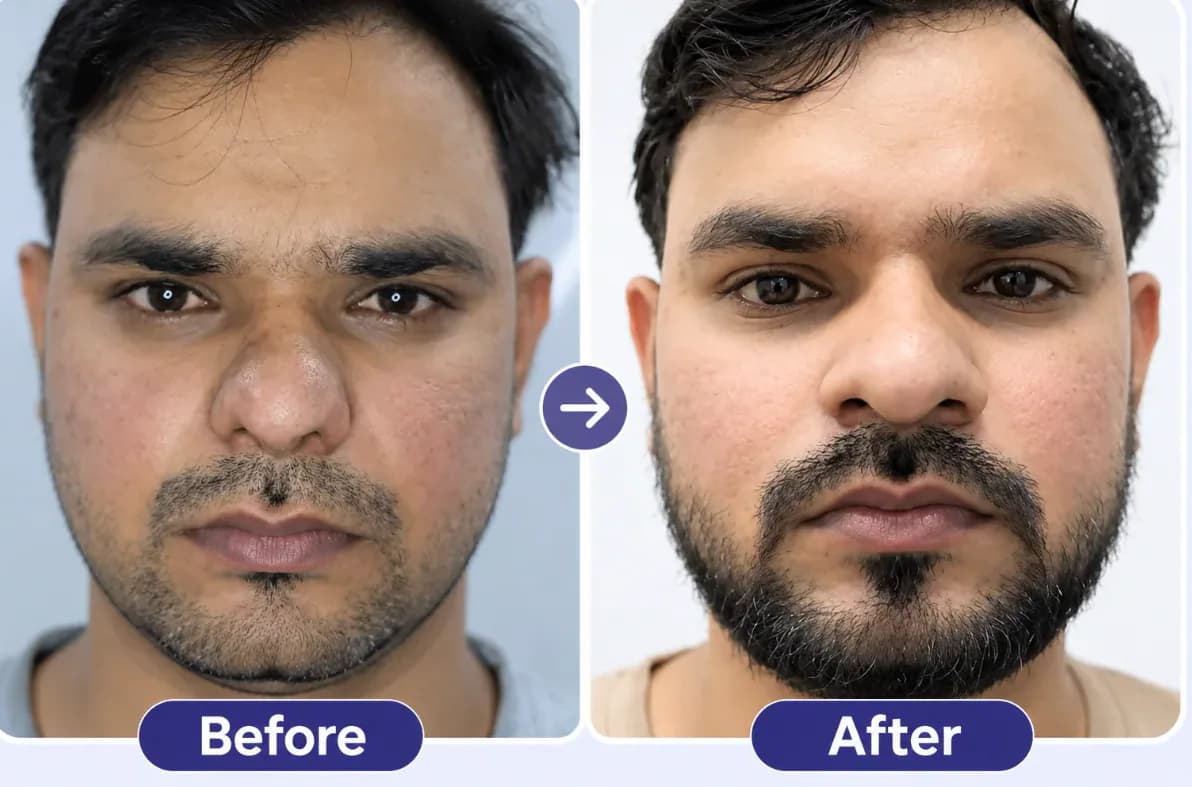
4. Before-and-After Photographs
5. Clear Communication
6. Postoperative Care
Rhinoplasty Surgeon Near Me: What Should You Check?
Top Facial Plastic Surgeon: Why Specialist Expertise Matters
Best Nose Surgery Hospital in India: What to Look For
Risks and Safety Considerations of Nose Plastic Surgery
Frequently Asked Questions About Rhinoplasty Surgery in Delhi
1. What is rhinoplasty surgery?
2. How much does rhinoplasty cost in Delhi?
3. How long does rhinoplasty surgery take?
4. What is the difference between open and closed rhinoplasty?
5. How long is the rhinoplasty recovery time?
6. Can rhinoplasty improve breathing problems?
7. Is non-surgical rhinoplasty permanent?
8. Is rhinoplasty suitable for a wide nose?
9. Will rhinoplasty leave a visible scar?
10. Can rhinoplasty correct a crooked nose?
11. Is rhinoplasty a permanent procedure?
12. How do I find the right rhinoplasty surgeon near me?
Book Your Rhinoplasty Consultation at Youngness Center
Youngness Center Blog
Rhinoplasty Surgery in Delhi: Cost, Types, Benefits, Recovery Time & Best Surgeon
Discover rhinoplasty surgery in Delhi, including nose reshaping techniques, surgery costs, recovery time, cosmetic and functional procedures, and tips for choosing the right surgeon at Youngness Center. Copy Short Description
11/11/2026 | Youngness Center Admin