
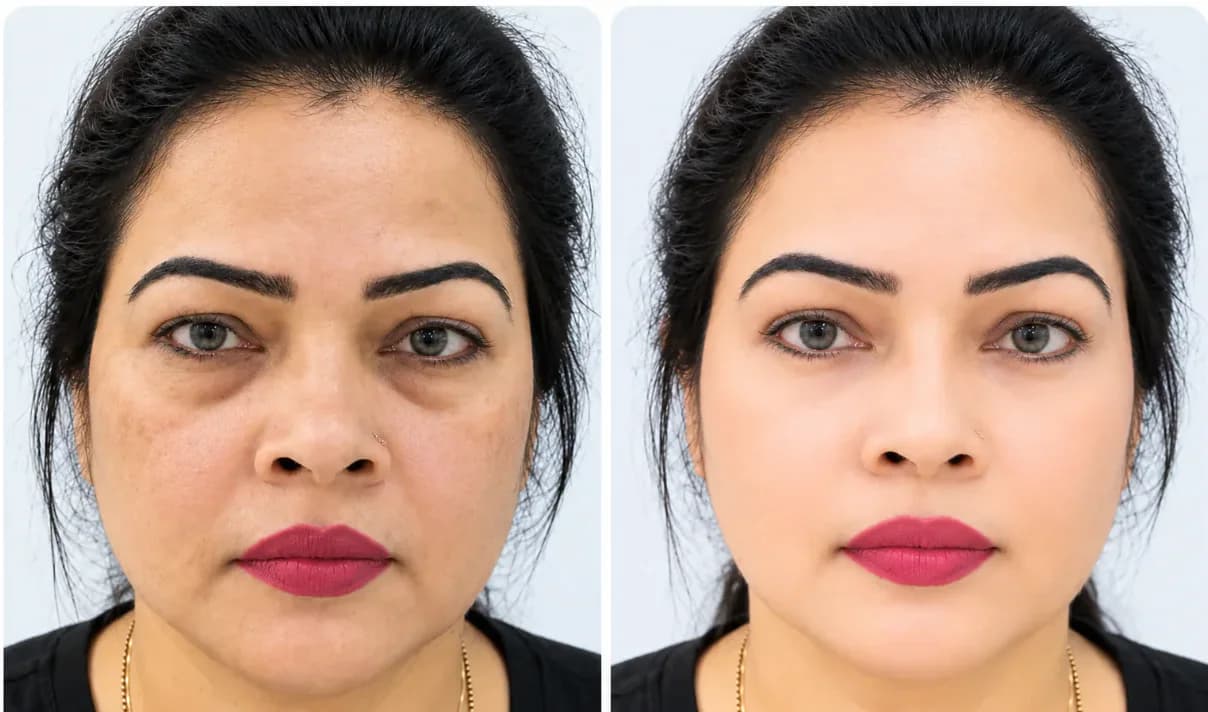
Are you concerned about droopy eyelids, excess eyelid skin, or persistent under-eye bags that make you look tired or older than you feel? Blepharoplasty surgery in Delhi is a surgical option that can improve the appearance of the upper and lower eyelids by carefully removing or repositioning excess skin, muscle, and fat.
Also known as eyelid surgery, blepharoplasty is performed for both cosmetic and functional reasons. Some people choose this procedure to achieve a fresher, more youthful appearance, while others may need treatment because excess upper eyelid skin interferes with their field of vision.
With an individualised surgical plan, eyelid surgery aims to create a balanced, natural-looking appearance while preserving normal eyelid function.
If you are researching the best blepharoplasty surgeon in Delhi, understanding the procedure, treatment options, recovery period, and cost can help you make an informed decision.
In this comprehensive guide, we explain everything you need to know about blepharoplasty, including blepharoplasty before and after results, eyelid surgery cost in Delhi, upper blepharoplasty cost, recovery time, and frequently asked questions.
What Is Blepharoplasty Surgery?
Blepharoplasty is a surgical procedure designed to improve the appearance and, in selected cases, the function of the eyelids. It involves removing or repositioning excess skin and fat and, when necessary, adjusting underlying muscle and supporting tissues.
The procedure can be performed on:
Upper eyelids
Lower eyelids
Both upper and lower eyelids
The choice depends on your eyelid anatomy, skin condition, medical history, and desired results.
Upper eyelid blepharoplasty primarily addresses loose or sagging skin that creates heavy-looking eyelids. Lower eyelid blepharoplasty focuses on under-eye bags, fat bulges, and selected cases of excess lower eyelid skin.
The objective of eyelid surgery is not to change your natural identity. It is to improve the eyelid contour and create a more refreshed appearance while maintaining facial harmony.
Why Do People Choose Blepharoplasty in Delhi?
The skin around the eyes is delicate and can change with age, genetics, and environmental factors. Over time, the eyelid tissues may lose elasticity, and fat deposits may become more noticeable.
Common concerns that lead people to consider blepharoplasty include:
Drooping or sagging upper eyelids
Excess skin creating folds above the eyes
Puffy upper eyelids
Under-eye bags
Loose lower eyelid skin
Tired or aged-looking eyes
Heavy eyelids affecting peripheral vision
Changes in eyelid contour due to ageing or genetics
Not every concern around the eyes requires surgery. Dark circles, pigmentation, hollowing, and certain forms of puffiness may have different causes and may require alternative treatments.
A consultation with a qualified eyelid surgeon helps identify the underlying concern and determine whether eyelid surgery is appropriate.
Types of Blepharoplasty Surgery
There are different types of blepharoplasty procedures depending on which eyelid requires treatment and the patient's individual concerns.
1. Upper Eyelid Blepharoplasty
Upper blepharoplasty is performed to address excess skin and, when necessary, fat or muscle changes in the upper eyelids.
During the procedure, the surgeon generally makes an incision along the natural crease of the upper eyelid. Excess tissue is carefully adjusted, and the incision is closed.
Benefits may include:
Reducing excess upper eyelid skin
Improving the appearance of heavy eyelids
Creating a more defined eyelid crease
Improving the appearance of tired-looking eyes
Addressing selected cases of functional visual obstruction
People researching upper eyelid surgery often compare the upper blepharoplasty cost before selecting a treatment plan.
2. Lower Eyelid Blepharoplasty
Lower eyelid blepharoplasty is designed to improve the appearance of under-eye bags and selected lower eyelid skin concerns.
Depending on the patient's anatomy, the surgeon may use an incision just below the lower eyelashes or an internal incision through the lower eyelid.
The surgeon may remove or reposition fat and address excess skin when necessary.
Potential benefits include:
Reducing prominent under-eye bags
Improving the lower eyelid contour
Addressing selected cases of loose skin
Creating a smoother transition between the lower eyelid and cheek
3. Double Eyelid Surgery
Double eyelid surgery is a specialised procedure that creates or defines an upper eyelid crease in individuals who desire this change.
It is different from conventional blepharoplasty performed primarily to remove excess skin or reduce under-eye bags.
The appropriate surgical technique depends on the patient's anatomy and goals.
4. Combined Upper and Lower Eyelid Surgery
Some patients have concerns involving both upper and lower eyelids.
In suitable cases, a surgeon may recommend treating both areas during the same surgical session. However, the decision depends on overall health, eyelid function, surgical requirements, and expected recovery.
Who Is a Good Candidate for Blepharoplasty Surgery?
Blepharoplasty may be appropriate for adults who have specific eyelid concerns and realistic expectations about surgical outcomes.
You may be a potential candidate if you have:
Noticeable excess skin on your upper eyelids
Persistent under-eye bags
Loose skin around the lower eyelids
Heavy-looking eyelids associated with ageing
Eyelid changes caused by genetics
Functional concerns related to excess upper eyelid skin
However, suitability cannot be determined through photographs alone.
During your consultation, the surgeon may assess:
General health and medical history
Eye health and vision
Eyelid position and symmetry
Skin elasticity
Existing dry-eye symptoms
Previous eye or facial surgeries
Medications and allergies
Expectations and treatment goals
People with certain eye conditions, uncontrolled medical problems, or healing-related concerns may need additional evaluation before surgery.
Blepharoplasty Procedure: Step-by-Step Explanation
Understanding the blepharoplasty procedure can make the treatment process easier to follow.
Step 1: Initial Consultation
The process begins with a detailed consultation. The surgeon examines your upper and lower eyelids, discusses your concerns, and evaluates whether surgery is suitable.
Your medical history, medications, allergies, and eye-related symptoms may also be reviewed.
Step 2: Surgical Planning
After evaluation, the surgeon recommends the appropriate procedure.
This may involve upper eyelid surgery, lower eyelid surgery, or a combination of both.
The incision placement and surgical approach are planned according to your anatomy.
Step 3: Anaesthesia
Blepharoplasty may be performed using local anaesthesia with sedation or general anaesthesia, depending on the procedure and the surgeon's recommendation.
The aim is to maintain patient comfort throughout the operation.
Step 4: Surgical Incisions
For upper eyelid surgery, the incision is generally placed within the natural eyelid crease.
For lower eyelid surgery, the incision may be positioned just below the eyelashes or inside the lower eyelid.
The surgeon then carefully adjusts the required skin, fat, or muscle tissue.
Step 5: Closure and Recovery
The incisions are closed using appropriate sutures or other closure techniques.
After surgery, the patient is monitored and receives instructions regarding medication, eye care, cold compresses, and follow-up appointments.
Many patients can return home on the same day, depending on their medical condition and surgical plan.
Blepharoplasty Before and After: What Results Can You Expect?
Blepharoplasty before and after results are among the most frequently researched aspects of eyelid surgery.
Before surgery, patients may have excess upper eyelid skin, visible under-eye bags, or a tired-looking eyelid contour. Following appropriate surgery and healing, the treated area may appear smoother and more defined.
However, results vary according to:
Original eyelid anatomy
Amount of excess skin
Fat distribution
Skin elasticity
Surgical technique
Healing response
Postoperative care
Before Blepharoplasty
Patients may experience:
Heavy or drooping upper eyelids
Prominent under-eye bags
Excess skin folds
Uneven eyelid contours
A tired-looking appearance
After Blepharoplasty
Once swelling and bruising improve, patients may notice:
A more defined upper eyelid crease
Reduced appearance of under-eye bags
Smoother eyelid contours
A more refreshed appearance
Improved eyelid symmetry in suitable cases
Important: Final results do not appear immediately after surgery. Temporary swelling and bruising can affect the appearance of the eyelids during the initial healing period.
Before-and-after photographs should represent genuine patients, be taken under comparable lighting and angles, and be shared with appropriate consent. Individual outcomes cannot be guaranteed.
Blepharoplasty Cost in Delhi: What Is the Price?
One of the most common questions patients ask is about the blepharoplasty cost in Delhi.
The total cost of eyelid surgery is not the same for every patient. It depends on the type of procedure, the complexity of the case, the surgeon's experience, anaesthesia, and the healthcare facility.
The following factors may influence the overall cost:
Cost Factor | How It Affects the Price |
Type of surgery | Upper, lower, or combined surgery may have different costs |
Surgeon experience | Professional expertise and surgical planning influence fees |
Hospital or clinic | Facility and operating theatre charges vary |
Anaesthesia | The anaesthesia method and associated services affect costs |
Medical evaluation | Consultation and required investigations may add expenses |
Postoperative care | Follow-up visits and prescribed medications may be included or charged separately |
Upper Blepharoplasty Cost
The upper blepharoplasty cost depends on the amount of excess skin, the complexity of the procedure, and the patient's individual requirements.
Upper eyelid surgery may involve a different surgical approach and operating time compared with lower eyelid surgery.
Lower Eyelid Surgery Cost
Lower eyelid surgery may involve fat repositioning, fat removal, skin adjustment, or additional support procedures.
The technique selected by the surgeon can influence the overall treatment cost.
Eyelid Surgery Cost in Delhi
When comparing the eyelid surgery cost in Delhi, patients should consider the complete treatment package rather than choosing a provider based only on the lowest quoted price.
Ask whether the estimate includes:
Surgeon fees
Anaesthesia charges
Operating facility charges
Preoperative investigations
Postoperative medication
Follow-up appointments
How to Get an Accurate Cost Estimate: The most reliable way to understand your blepharoplasty procedure cost is to attend an individual consultation. The surgeon can assess your eyelids and provide a treatment recommendation with a personalised estimate.
How to Choose the Best Doctor for Blepharoplasty?
Choosing the best doctor for blepharoplasty is one of the most important decisions when considering eyelid surgery.
Because the eyelids play an essential role in protecting the eyes and maintaining normal vision, surgical expertise and careful planning are important.
When looking for the best blepharoplasty surgeon in Delhi, consider the following factors:
1. Relevant Medical Qualifications
Check the surgeon's recognised medical qualifications, specialist training, and professional registration.
2. Experience in Eyelid Surgery
Look for a surgeon with relevant experience in upper and lower eyelid procedures and an understanding of eyelid anatomy.
3. Genuine Before-and-After Results
Ask to review authentic, consented patient photographs that demonstrate the surgeon's work.
4. Individualised Treatment Planning
A good blepharoplasty specialist should assess your eye health, facial anatomy, and expectations before recommending surgery.
5. Transparent Communication
Your surgeon should explain the expected results, possible complications, recovery time, and total treatment cost.
6. Proper Surgical Facility
Confirm that the procedure will be performed in an appropriately equipped and accredited facility with suitable anaesthesia and emergency arrangements.
The right eyelid surgeon near me is not necessarily the closest or cheapest provider. Prioritise qualifications, experience, safety, and appropriate follow-up care.
Eyelid Surgery Recovery Time: How Long Does Healing Take?
Eyelid surgery recovery time varies between individuals depending on the type of surgery, surgical technique, and healing response.
Most patients experience temporary swelling, bruising, mild discomfort, and sensitivity around the eyes.
A general recovery guide is provided below. Your actual recovery may differ.
Recovery Stage | What You May Experience |
First 24–48 hours | Swelling, mild discomfort, and bruising may occur |
First week | Swelling and bruising gradually begin to improve |
7–14 days | Many patients become comfortable returning to routine activities, depending on healing |
2–3 weeks | Bruising and visible swelling may continue to settle |
Following months | Scars mature and the final appearance becomes clearer |
Tips for a Smooth Recovery
Follow all postoperative instructions.
Use cold compresses only as directed.
Keep your head elevated while resting.
Take prescribed medication as advised.
Avoid rubbing or putting pressure on your eyes.
Wear sunglasses when outdoors.
Avoid strenuous exercise until your surgeon permits it.
Attend scheduled follow-up appointments.
If you experience sudden vision changes, severe or increasing pain, rapidly increasing swelling, or significant bleeding, seek urgent medical assessment.
Is Blepharoplasty Painful?
One of the most common questions is: Is blepharoplasty painful?
During the operation, anaesthesia is used to minimise pain and maintain comfort.
After surgery, some patients experience mild discomfort, tightness, swelling, irritation, or tenderness around the eyelids.
The level of discomfort varies depending on the surgical technique and individual healing response.
Your surgeon may recommend appropriate pain relief, lubricating eye drops, or ointments when required.
Severe or worsening pain should never be ignored and requires prompt medical evaluation.
Possible Risks and Complications of Eyelid Surgery
Like any surgical procedure, blepharoplasty has potential risks that should be discussed before treatment.
Possible complications include:
Swelling and bruising
Dry or irritated eyes
Temporary blurred or double vision
Infection
Bleeding
Changes in eyelid sensation
Noticeable scarring
Eyelid asymmetry
Difficulty closing the eyes completely
Lower eyelid retraction or outward turning
Need for revision surgery
Rarely, serious vision-related complications
The risk profile depends on individual anatomy, medical history, and the procedure performed.
A detailed consultation, appropriate surgical planning, and regular follow-up can help identify and manage potential complications.
How Long Do Blepharoplasty Results Last?
Blepharoplasty can provide long-lasting improvements in the eyelid contour.
However, the procedure does not stop the natural ageing process. Skin elasticity, genetics, lifestyle, and other age-related changes may continue to influence the eye area over time.
Maintaining healthy habits, protecting the skin from excessive sun exposure, and following medical advice can support long-term results.
Why Consider Blepharoplasty Surgery in Delhi?
Delhi offers access to a range of healthcare facilities and specialists providing cosmetic and reconstructive surgical services.
When considering blepharoplasty in Delhi, patients should look for a treatment centre that prioritises:
Qualified and experienced surgeons
Detailed preoperative evaluation
Personalised surgical planning
Appropriate operating facilities
Patient safety and hygiene
Clear cost information
Structured postoperative follow-up
The objective should always be safe, medically appropriate treatment rather than simply achieving a particular cosmetic appearance.
Frequently Asked Questions About Blepharoplasty Surgery in Delhi
1. What is the meaning of blepharoplasty?
Blepharoplasty is a surgical procedure that improves the appearance or function of the eyelids by removing or repositioning excess skin, fat, and sometimes muscle.
It is commonly known as eyelid surgery.
2. How do you pronounce blepharoplasty?
The word blepharoplasty is commonly pronounced as:
BLEF-uh-roh-plas-tee.
It is a medical term used to describe surgical correction of the eyelids.
3. What is the average blepharoplasty cost in Delhi?
The cost depends on whether you need upper eyelid surgery, lower eyelid surgery, or both. Surgeon fees, anaesthesia, hospital facilities, and postoperative care also influence the final estimate.
A personalised consultation is recommended for accurate pricing.
4. What is the difference between upper and lower blepharoplasty?
Upper blepharoplasty addresses excess skin and tissue in the upper eyelids, while lower blepharoplasty focuses on under-eye bags, fat bulges, and selected cases of loose lower eyelid skin.
5. How long does eyelid surgery take?
The duration depends on the type and complexity of the procedure. Many eyelid surgery procedures take approximately 45 minutes to 2.5 hours.
Your surgeon can provide a more accurate estimate after evaluation.
6. Is blepharoplasty painful?
Anaesthesia is used during surgery to minimise discomfort. Temporary tightness, swelling, irritation, and mild pain may occur during recovery.
Most postoperative discomfort can be managed with the treatment recommended by the surgeon.
7. What is the eyelid surgery recovery time?
Many patients need around 10–14 days before feeling comfortable returning to public-facing activities or work, although recovery varies. Bruising and swelling may take longer to disappear completely.
8. Are blepharoplasty before and after results permanent?
Results can be long-lasting, but natural ageing continues after surgery. Some changes in skin elasticity and eyelid appearance may develop over time.
9. Who is the best blepharoplasty surgeon in Delhi?
The best blepharoplasty surgeon is a qualified medical professional with relevant eyelid surgery experience, appropriate surgical facilities, genuine patient results, and a strong commitment to patient safety.
Always verify credentials and discuss your expectations during a consultation.
10. Can upper and lower eyelid surgery be performed together?
Yes. Selected patients may undergo upper and lower blepharoplasty during the same operation. However, the decision depends on their health, anatomy, and surgical suitability.
11. Will blepharoplasty remove dark circles?
Blepharoplasty may improve under-eye bags and certain contour-related concerns, but it does not reliably treat every cause of dark circles. Pigmentation, vascular visibility, and hollowing may require different treatment approaches.
12. When can I return to work after eyelid surgery?
Many patients return to work within approximately 1–2 weeks, depending on their recovery, job requirements, and the surgeon's advice.
13. Are there non-surgical alternatives to eyelid surgery?
Depending on the concern, alternatives may include skincare, selected laser treatments, or other non-surgical procedures. However, these options cannot remove significant excess eyelid skin in the same way as surgery.
14. How do I find an eyelid surgeon near me?
Research qualified plastic surgeons and oculoplastic specialists in your area. Verify their credentials, eyelid surgery experience, facility standards, and follow-up arrangements before making a decision.
15. Is eyelid surgery safe?
Blepharoplasty is an established surgical procedure, but no operation is completely risk-free. An individual assessment, appropriate surgical planning, and an experienced specialist are important for patient safety.