
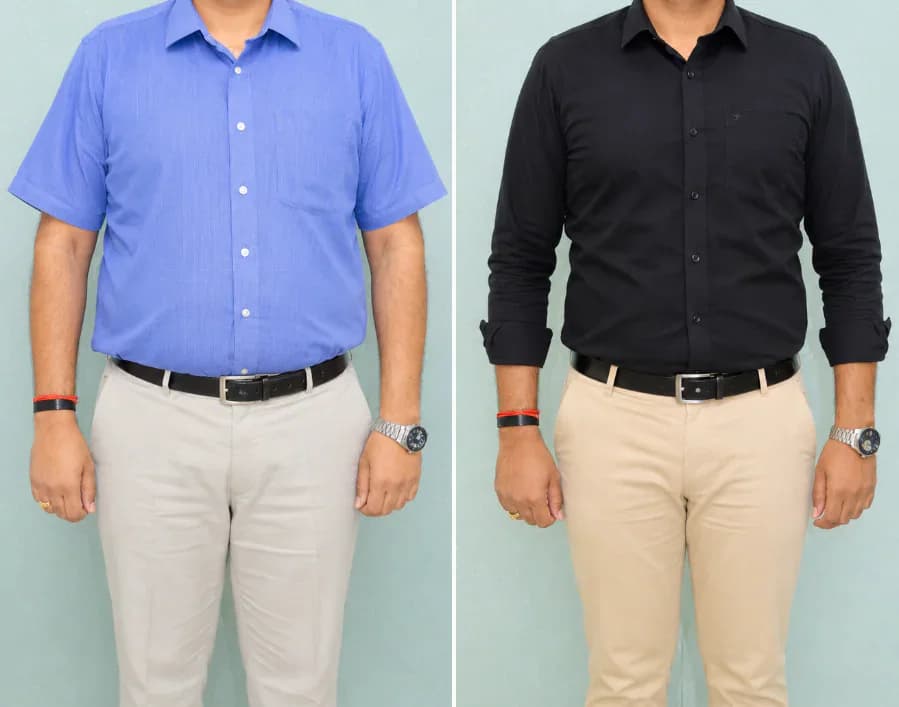
Are you struggling with obesity and finding it difficult to lose weight despite following diets, exercising regularly, or trying different weight management programmes? If excess weight is affecting your health, mobility, confidence, or quality of life, bariatric surgery in Delhi may be one of the treatment options worth exploring.
Bariatric surgery, also known as weight loss surgery or metabolic surgery, is a medical procedure designed to help eligible individuals manage obesity and improve obesity-related health conditions. Depending on the procedure, it works by reducing stomach capacity, changing the digestive pathway, or influencing hormones involved in appetite and metabolism.
Today, many people consider weight loss surgery in Delhi because obesity is associated with conditions such as type 2 diabetes, high blood pressure, sleep apnoea, fatty liver disease, and joint problems.
However, bariatric surgery is not simply a cosmetic weight loss procedure. It is a medically supervised treatment that requires proper evaluation, surgical expertise, nutritional guidance, and long-term follow-up.
In this comprehensive guide, we explain everything you should know about bariatric surgery, including its types, eligibility, benefits, recovery time, risks, and weight loss surgery cost in Delhi.
What Is Bariatric Surgery?
Bariatric surgery is a group of surgical procedures performed to help people with obesity achieve significant and sustainable weight loss.
These procedures modify the stomach and, in some cases, the digestive pathway to help reduce food intake, influence hunger-related hormones, and change nutrient absorption.
The main objectives of bariatric surgery include:
Supporting long-term weight management.
Reducing excess body weight.
Improving obesity-related medical conditions.
Supporting better blood sugar control.
Improving mobility and physical activity.
Enhancing overall health and quality of life.
Unlike temporary weight loss programmes, bariatric surgery is intended to support long-term obesity management when appropriate nonsurgical treatments have not provided sufficient results.
Patients must still follow a balanced diet, maintain physical activity, take recommended nutritional supplements, and attend regular medical appointments after surgery.
Why Is Bariatric Surgery in Delhi Becoming an Important Treatment Option?
Obesity is a complex chronic health condition influenced by genetics, metabolism, hormones, lifestyle, environmental factors, and other medical conditions.
For some individuals, losing weight through diet and exercise alone can be particularly challenging.
Excess body weight may increase the risk of:
Type 2 diabetes.
High blood pressure.
Heart disease.
Obstructive sleep apnoea.
Fatty liver disease.
Joint pain and osteoarthritis.
Reduced mobility.
Certain obesity-associated cancers.
Bariatric surgery in Delhi offers access to different surgical approaches for eligible patients seeking medically supervised obesity treatment.
The decision to undergo surgery should always be based on an individual's medical condition, BMI, previous weight management attempts, and overall health.
Who Is Eligible for Bariatric Surgery?
Not everyone who wants to lose weight requires bariatric surgery. A qualified bariatric surgeon evaluates whether the procedure is medically appropriate.
Eligibility depends on several factors, including BMI, metabolic health, existing medical conditions, previous treatments, and surgical fitness.
International ASMBS and IFSO guidelines recommend metabolic and bariatric surgery for individuals with a BMI of 35 or higher, regardless of the presence of obesity-related medical conditions. They also recommend considering surgery for individuals with metabolic disease and a BMI of 30–34.9.
For Asian populations, lower BMI thresholds may be relevant. Indian clinical recommendations also use ethnicity-adjusted criteria, so eligibility must be assessed individually.
Medical Conditions That May Be Considered
Patients with obesity-related conditions may benefit from specialist evaluation, particularly when weight management has been difficult.
These conditions include:
Type 2 diabetes.
Hypertension.
Sleep apnoea.
Fatty liver disease.
High cholesterol.
Obesity-related joint problems.
Metabolic syndrome.
What Does the Surgeon Evaluate?
Before recommending weight loss surgery, the medical team may assess:
Body mass index and weight history.
Previous diet and exercise programmes.
Existing medical conditions.
Blood sugar and metabolic health.
Heart and respiratory health.
Nutritional status.
Psychological readiness.
Ability to follow long-term dietary and lifestyle changes.
A bariatric surgeon may also recommend consultations with a dietitian, physician, endocrinologist, psychologist, or other specialists.
Types of Bariatric Surgery in Delhi
Different bariatric procedures are available depending on the patient's health, weight management goals, and medical requirements.
The most appropriate option is selected after a comprehensive consultation.
1. Gastric Sleeve Surgery
Gastric sleeve surgery, also called sleeve gastrectomy, is one of the commonly performed weight loss procedures.
During this operation, a large portion of the stomach is surgically removed, leaving a smaller, tube-shaped stomach.
The smaller stomach limits the amount of food a patient can comfortably consume. The procedure also changes certain appetite-related hormonal signals.
Potential benefits:
Reduced stomach capacity.
Earlier feelings of fullness.
Changes in hunger-related hormones.
Significant weight loss in suitable patients.
Potential improvement in obesity-related health conditions.
Gastric sleeve surgery is generally performed laparoscopically, using small incisions and specialised instruments.
It is an irreversible procedure, so patients should understand its long-term implications before proceeding.
2. Gastric Bypass Surgery in Delhi
Gastric bypass surgery in Delhi is another established bariatric procedure used to manage obesity and certain metabolic conditions.
The commonly performed Roux-en-Y gastric bypass involves creating a small stomach pouch and connecting it to a section of the small intestine.
This changes the route food takes through the digestive system and influences appetite and metabolic hormones.
Potential benefits include:
Reduced food intake.
Changes in appetite regulation.
Significant weight loss.
Potential improvement in type 2 diabetes.
Improvement in selected obesity-related conditions.
Gastric bypass may be considered for patients with particular metabolic needs or other medical considerations.
However, it requires lifelong nutritional monitoring because changes in digestion can increase the risk of vitamin and mineral deficiencies.
3. One Anastomosis Gastric Bypass
One Anastomosis Gastric Bypass (OAGB), sometimes called mini gastric bypass, is another surgical option.
It involves creating a smaller stomach pouch and connecting it to the small intestine through a single connection.
It may provide substantial weight loss and metabolic benefits in appropriately selected patients.
The surgeon must discuss its suitability, potential nutritional complications, and long-term follow-up requirements.
4. Revision Bariatric Surgery
Some individuals who have undergone previous bariatric surgery may experience insufficient weight loss, weight regain, or complications.
In selected cases, revision bariatric surgery may be considered.
The appropriate treatment depends on the original operation, current anatomy, nutritional condition, and underlying medical concerns.
Bariatric Surgery vs Traditional Weight Loss Treatment
Many people first try lifestyle changes, diet plans, exercise routines, and medical weight management before considering surgery.
Both nonsurgical and surgical approaches can play important roles in obesity treatment.
Factor | Nonsurgical Weight Management | Bariatric Surgery |
Treatment | Diet, exercise and medical management | Surgical modification of the digestive system |
Approach | Lifestyle and medical intervention | Surgical and metabolic intervention |
Monitoring | Medical and nutritional guidance | Lifelong medical and nutritional follow-up |
Weight loss | Varies between individuals | Often greater and more durable in eligible patients |
Recovery | No surgical recovery | Requires postoperative recovery |
Suitability | Depends on health and treatment needs | Requires specialist assessment |
Bariatric surgery is not necessarily the first treatment for every patient. A specialist should explain all suitable alternatives before recommending an operation.
Benefits of Weight Loss Surgery in Delhi
For appropriately selected patients, bariatric surgery may provide important health benefits beyond changes in body weight.
1. Significant Weight Loss
Bariatric procedures can support substantial weight reduction over time. The amount of weight loss varies according to the procedure, starting weight, medical condition, and lifestyle habits.
2. Better Blood Sugar Management
Weight loss and metabolic changes following surgery may improve blood glucose control in individuals with type 2 diabetes.
Some patients may experience diabetes remission, although outcomes vary and continued monitoring remains important.
3. Improved Blood Pressure
Reducing excess body weight may help improve hypertension and cardiovascular risk factors.
Patients should continue their prescribed medication unless their treating doctor recommends a change.
4. Better Mobility
Excess weight places additional pressure on the knees, hips, and other joints.
Weight reduction may help improve mobility and make everyday activities more comfortable.
5. Improvement in Sleep Apnoea
Obesity is an important risk factor for obstructive sleep apnoea.
Weight loss may improve sleep-related breathing problems in some patients.
6. Improved Quality of Life
Some individuals experience improvements in physical activity, daily functioning, and overall quality of life after successful obesity treatment.
Results are individual and cannot be guaranteed.
Weight Loss Surgery Cost in Delhi: What Is the Price?
One of the most common questions patients ask before consulting a specialist is about the weight loss surgery cost in Delhi.
The overall cost of bariatric surgery varies depending on the procedure, hospital facilities, surgeon's fees, medical evaluation, and postoperative requirements.
There is no single price applicable to every patient.
Factors Affecting Bariatric Surgery Cost
Cost Factor | Description |
Type of procedure | Gastric sleeve, gastric bypass, or revision surgery have different requirements |
Surgeon fees | Experience and surgical expertise may influence professional fees |
Hospital facilities | Operating theatre, room category, and hospital services affect costs |
Anaesthesia | Anaesthesia and related medical services are included in the treatment estimate |
Medical tests | Blood investigations, imaging, and specialist assessments may add costs |
Hospital stay | Duration of admission and postoperative monitoring influence the total |
Follow-up care | Consultations, medication, and nutritional support may involve additional expenses |
Gastric Sleeve Surgery Cost
The cost of gastric sleeve surgery depends on the surgical technique, hospital, patient requirements, and services included in the treatment package.
Gastric Bypass Surgery Cost
Gastric bypass may have different costs because of its surgical complexity, operative requirements, and postoperative nutritional monitoring.
How to Compare Surgery Packages
Before choosing a hospital or clinic, ask whether the quotation includes:
Surgeon and assistant fees.
Anaesthesia charges.
Hospital admission.
Operating theatre expenses.
Preoperative investigations.
Postoperative medication.
Follow-up consultations.
Nutritional counselling.
Do not select a provider based only on the cheapest quotation. Surgical safety, specialist qualifications, hospital standards, and long-term care should be key considerations.
For an accurate estimate, arrange an individual consultation with a bariatric surgeon.
How to Choose the Best Bariatric Surgeon in Delhi?
Choosing the best bariatric surgeon in Delhi is an important step towards safe and effective obesity treatment.
Bariatric surgery requires specialised knowledge of digestive anatomy, metabolic health, laparoscopic techniques, and postoperative nutritional management.
When looking for a bariatric surgeon, consider these factors:
1. Recognised Medical Qualifications
Verify the surgeon's medical qualifications, specialist training, and professional registration.
2. Experience in Bariatric Procedures
Look for relevant experience in procedures such as gastric sleeve surgery and gastric bypass.
3. Multidisciplinary Medical Team
A reliable bariatric programme should provide access to surgical, medical, anaesthesia, nutritional, and psychological support as needed.
4. Hospital Infrastructure
Ensure the procedure is performed in a properly equipped facility with suitable postoperative monitoring and emergency support.
5. Transparent Communication
Your surgeon should explain the available procedures, expected outcomes, complications, and long-term responsibilities.
6. Long-Term Follow-Up
Weight loss surgery is not a one-time solution. Patients need continued medical supervision, nutritional assessment, and lifestyle guidance.
How to Find a Bariatric Surgeon Near Me?
If you are searching online for a bariatric surgeon near me, focus on finding a qualified specialist rather than selecting the nearest available clinic.
You can start by:
Searching for bariatric and metabolic surgery specialists in your area.
Checking professional qualifications.
Reviewing hospital affiliations.
Confirming experience with the recommended procedure.
Asking about nutritional and postoperative care.
Scheduling an initial consultation.
Similarly, searches such as weight loss surgeon in Delhi, weight loss doctor in Delhi, and bariatric surgery near me can help you discover local treatment options.
However, always verify credentials and treatment facilities before making a decision.
What Happens Before Bariatric Surgery?
Preparation is an important part of the bariatric treatment journey.
Before surgery, your medical team may recommend:
Medical evaluation: Assessment of your overall health, BMI, medical conditions, and surgical fitness.
Blood investigations: Tests to evaluate blood sugar, liver function, kidney function, blood counts, and nutritional status.
Cardiac and respiratory assessment: Additional tests may be required depending on your health.
Dietary counselling: A dietitian explains eating habits, nutritional requirements, and preoperative dietary changes.
Psychological assessment: This may help evaluate readiness for long-term lifestyle changes.
Preoperative instructions: Your surgeon will explain medication adjustments, fasting requirements, and preparation for admission.
Following these instructions helps the medical team prepare an appropriate treatment plan.
Bariatric Surgery Procedure: Step-by-Step Process
Understanding the surgical process can help reduce uncertainty for patients considering obesity surgery.
Step 1: Consultation
The surgeon reviews your weight history, medical background, and previous weight management attempts.
Step 2: Medical Evaluation
Required investigations and specialist consultations are completed to assess surgical fitness.
Step 3: Procedure Selection
The bariatric team recommends the most appropriate procedure based on your health and treatment goals.
Step 4: Surgery
The procedure is generally performed under general anaesthesia. Many modern bariatric operations are performed using laparoscopic techniques.
Step 5: Hospital Monitoring
After surgery, the patient is monitored for pain, hydration, mobility, and potential complications.
Step 6: Recovery and Follow-Up
The patient gradually progresses through prescribed dietary stages and attends regular appointments with the medical team.
Bariatric Surgery Recovery Time
Recovery after bariatric surgery depends on the procedure, surgical approach, and individual healing response.
Patients should follow their surgeon's instructions rather than comparing their recovery with someone else's experience.
A general recovery guide is:
Recovery Stage | What to Expect |
First 24–48 hours | Monitoring, pain management, and early mobilisation |
First week | Gradual activity and prescribed liquid diet |
2–4 weeks | Progressive dietary changes and improved daily activity |
4–6 weeks | Many patients gradually return to more routine activities, subject to medical clearance |
Following months | Continued weight changes and nutritional monitoring |
Dietary Stages After Surgery
The postoperative diet generally progresses through different stages.
Clear liquids.
Full liquids.
Pureed or soft foods.
Soft solid foods.
Gradual introduction of regular healthy foods.
The timeline varies by procedure and patient. A bariatric dietitian should guide each stage.
Risks and Possible Complications of Bariatric Surgery
Bariatric surgery can provide substantial health benefits, but it is still major surgery and carries potential risks.
Possible complications include:
Bleeding.
Infection.
Blood clots.
Anaesthesia-related complications.
Leakage from surgical connections or staple lines.
Blood clots in the lungs.
Dehydration.
Nutritional deficiencies.
Acid reflux or digestive symptoms.
Gallstones.
Ulcers or bowel obstruction.
Weight regain over time.
Need for additional treatment or revision surgery.
Some complications can occur shortly after surgery, while others may develop months or years later.
Patients need regular follow-up and recommended vitamin and mineral supplementation to reduce nutritional risks.
Sudden breathlessness, chest pain, severe abdominal pain, persistent vomiting, fever, or other concerning symptoms after surgery require urgent medical attention.
Why Consider Obesity Treatment in Delhi?
Delhi has a range of healthcare facilities offering medical weight management and bariatric surgical services.
Patients considering obesity treatment in Delhi should look for a programme that focuses on long-term health rather than weight reduction alone.
A comprehensive treatment programme may include:
Medical assessment.
Nutritional counselling.
Lifestyle modification.
Medical obesity management.
Bariatric surgery when appropriate.
Postoperative dietary support.
Long-term weight monitoring.
A specialist can help determine whether nonsurgical weight management or surgery is the most appropriate option for your condition.
Frequently Asked Questions About Bariatric Surgery in Delhi
1. What is bariatric surgery, and how does it work?
Bariatric surgery is a group of procedures used to manage obesity. Depending on the operation, it reduces stomach capacity, changes digestion, and influences appetite-related hormones to support weight loss.
2. Who is eligible for bariatric surgery in Delhi?
Eligibility depends on BMI, metabolic health, obesity-related conditions, previous treatments, and overall surgical fitness. Current international and Indian guidelines use different BMI considerations, particularly for Asian populations. A specialist must determine individual suitability.
3. What is the weight loss surgery cost in Delhi?
The cost varies according to the procedure, surgeon, hospital facilities, investigations, anaesthesia, and postoperative care. A personalised consultation is the best way to obtain an accurate quotation.
4. Which is better: gastric sleeve or gastric bypass?
Neither procedure is universally better. Gastric sleeve and gastric bypass have different benefits, risks, and metabolic effects. The appropriate choice depends on individual health, medical history, and treatment goals.
5. Is gastric bypass surgery available in Delhi?
Yes. Gastric bypass is an established bariatric procedure available at specialised healthcare facilities. Patients should consult a qualified bariatric surgeon to understand its suitability and potential risks.
6. How long does bariatric surgery take?
The duration depends on the type of procedure and individual surgical complexity. Your surgeon can provide an estimated operating time after evaluating your case.
7. Is bariatric surgery safe?
Bariatric surgery is an established treatment for eligible patients, but it carries risks like any major operation. Proper patient selection, experienced surgical care, and long-term follow-up are important.
8. How much weight can I lose after bariatric surgery?
Weight loss varies according to the procedure, starting weight, medical conditions, and lifestyle changes. Your surgeon can discuss realistic expectations based on your individual circumstances.
9. Will I need to follow a special diet after surgery?
Yes. Patients generally follow a staged postoperative diet, beginning with liquids and gradually progressing to solid foods. Long-term dietary changes and nutritional supplementation may be necessary.
10. Can bariatric surgery help with type 2 diabetes?
Bariatric surgery may improve blood sugar control and can lead to diabetes remission in some patients. However, outcomes vary, and ongoing medical monitoring is necessary.
11. How long is the hospital stay after bariatric surgery?
Hospital stay depends on the procedure, recovery, and any medical complications. Your surgical team will advise when it is safe to return home.
12. Can obesity return after bariatric surgery?
Weight regain can occur after surgery. Long-term dietary habits, physical activity, medical follow-up, and nutritional support are important for maintaining results.
13. How do I find the best weight loss doctor in Delhi?
Look for a qualified specialist with relevant obesity management or bariatric experience, appropriate hospital facilities, transparent communication, and a structured follow-up programme.
14. Is bariatric surgery a permanent solution for obesity?
Bariatric surgery can provide long-term weight management benefits, but it does not eliminate the need for ongoing care. Patients must maintain healthy habits and attend regular medical reviews.
15. What is the difference between obesity surgery and weight loss surgery?
Both terms are commonly used to describe bariatric procedures. Obesity surgery focuses on treating obesity and its associated medical conditions, while weight loss surgery is a commonly used general term.
Book Your Bariatric Surgery Consultation in Delhi
Living with obesity can affect more than your physical appearance. It can influence your metabolic health, mobility, energy levels, and everyday quality of life.
If traditional weight management approaches have not provided the results you need, a professional evaluation can help you understand your available treatment options.
At youngnesscente patients can discuss their weight management concerns, explore suitable obesity treatment options, and understand whether bariatric surgery may be appropriate following a comprehensive medical assessment.
Whether you are researching gastric sleeve surgery, gastric bypass surgery in Delhi, or other weight loss treatments, the first step is to consult a qualified specialist.
Book your consultation today to learn about bariatric surgery in Delhi, available procedures, treatment costs, and personalised obesity management options.
Take an informed step towards better long-term health with appropriate medical guidance, surgical expertise, and continued support.