
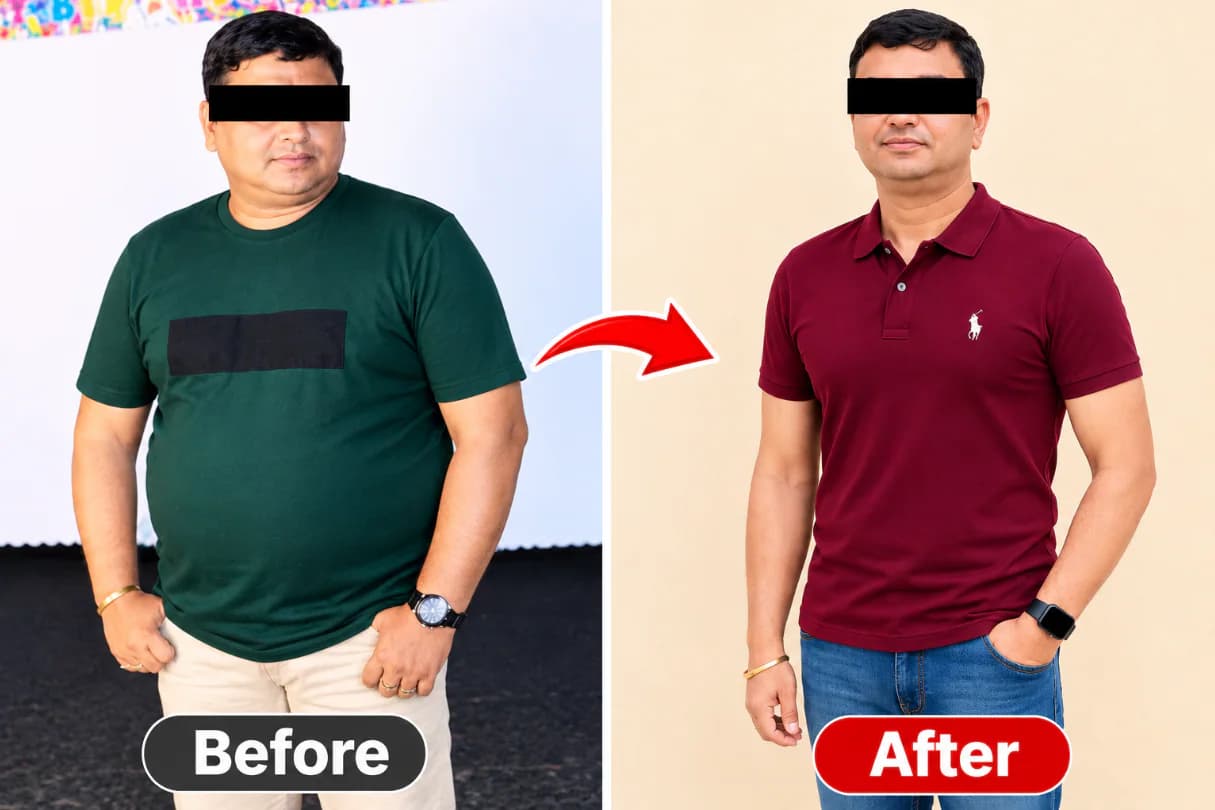
Excess body weight can affect more than physical appearance. Obesity is associated with several health concerns, including type 2 diabetes, high blood pressure, sleep apnoea, joint problems and cardiovascular disease. When lifestyle modifications, dietary changes and medical weight management do not provide sufficient results, bariatric surgery may be considered as an effective treatment option for eligible individuals.
If you are researching Bariatric Surgery Cost in Delhi, understanding the procedure, available surgical techniques, hospital facilities and recovery requirements is essential before making a decision. Bariatric surgery is a medically supervised weight-loss treatment that works by modifying the stomach, the digestive system, or both, depending on the procedure selected.
At the Youngness Center, individuals can explore professional guidance for obesity management and understand the available treatment options based on their health requirements. This guide explains the factors affecting bariatric surgery costs, different procedures, benefits, eligibility criteria and important considerations before undergoing weight-loss surgery.
What Is Bariatric Surgery?
Bariatric surgery refers to a group of surgical procedures designed to help people with obesity achieve significant and sustained weight loss. These procedures work by reducing stomach capacity, changing the digestive pathway or combining both approaches.
Depending on the surgical technique, patients may feel full after eating smaller portions, experience changes in appetite-related hormones and improve certain metabolic health conditions.
Bariatric surgery is not a cosmetic weight-loss procedure. It is a medical treatment generally recommended for individuals who meet specific eligibility criteria and have not achieved adequate results through non-surgical weight management approaches.
A qualified Bariatric Surgeon in Delhi evaluates the patient's BMI, medical history, existing health conditions, previous weight-loss attempts and treatment expectations before recommending surgery.
Bariatric Surgery Cost in Delhi
The Bariatric Surgery Cost in Delhi depends on several factors, including the type of surgery, hospital facilities, surgeon's experience, anaesthesia, diagnostic investigations and post-operative care.
Different patients may require different surgical approaches. Therefore, the final treatment estimate is generally provided after a detailed medical assessment.
What Is the Average Bariatric Surgery Cost in Delhi?
There is no single fixed price for bariatric surgery because the total expense varies according to the procedure and individual medical requirements.
The overall treatment package may include:
Initial consultation with a bariatric specialist.
Blood tests and medical investigations.
Pre-operative health assessment.
Surgeon and anaesthesia fees.
Operation theatre and hospital charges.
Medicines and post-operative monitoring.
Hospital stay and nursing support.
Follow-up consultations and nutritional guidance.
Patients should request a detailed cost estimate and confirm which services are included in the proposed treatment package.
Factors Affecting Bariatric Surgery Cost in Delhi
Several important factors influence the final cost of weight-loss surgery.
1. Type of Bariatric Procedure
Different procedures require different surgical techniques, equipment and operating time. Gastric sleeve surgery, gastric bypass and other procedures may have different cost structures.
2. Surgeon's Experience
The surgeon's qualifications, surgical experience and expertise in managing obesity-related conditions may influence professional fees.
3. Hospital Infrastructure
The availability of advanced operation theatres, intensive care facilities, diagnostic services and specialised nursing support can affect the overall treatment expense.
4. Medical Investigations
Patients may require blood tests, ECG, imaging, endoscopy and other investigations before surgery. The number and type of tests depend on individual medical conditions.
5. Hospitalisation Requirements
The duration of hospital stay and additional monitoring requirements may influence the final bill.
6. Post-Surgical Care
Dietary counselling, follow-up appointments, nutritional supplements and long-term monitoring are important parts of bariatric treatment and should be considered when comparing costs.
Types of Bariatric Surgery Available
The most suitable procedure depends on BMI, metabolic health, eating patterns, medical history and the surgeon's assessment.
1. Gastric Sleeve Surgery
Gastric sleeve surgery, also known as sleeve gastrectomy, involves removing a significant portion of the stomach and creating a smaller, tube-shaped stomach.
This reduces the amount of food a person can comfortably consume and changes certain appetite-related hormones.
Key features:
Reduces stomach capacity.
Helps control portion sizes.
Can support significant weight loss.
May improve obesity-related health conditions.
Does not involve intestinal bypass.
The procedure is generally performed laparoscopically, although the surgical approach depends on individual circumstances.
2. Gastric Bypass Surgery
Gastric Bypass Surgery in Delhi is another established bariatric procedure. In a commonly performed technique called Roux-en-Y gastric bypass, the surgeon creates a small stomach pouch and connects it to a section of the small intestine.
This procedure reduces food intake and changes nutrient absorption and metabolic signalling.
Potential benefits include:
Reduced food intake.
Changes in appetite-related hormones.
Improvement in blood sugar control in some patients.
Potential improvement in obesity-related conditions.
Long-term weight-management support.
Gastric bypass requires lifelong nutritional monitoring because it can increase the risk of vitamin and mineral deficiencies.
3. Mini Gastric Bypass
Mini gastric bypass, also known as one-anastomosis gastric bypass, involves creating a smaller stomach pouch and connecting it to the small intestine through a single surgical connection.
It combines restriction with changes in nutrient absorption. It may be suitable for selected patients after a comprehensive medical evaluation.
4. Revision Bariatric Surgery
Revision surgery may be considered for patients who experience inadequate weight loss, weight regain or complications following an earlier bariatric procedure.
The surgeon first investigates the reason for the problem and evaluates whether revision surgery, medical management or another intervention is appropriate.
Who Is Eligible for Bariatric Surgery?
Bariatric surgery is not suitable for everyone. Eligibility depends on BMI, obesity-related medical conditions, previous treatment attempts and individual health circumstances.
Common factors considered during evaluation include:
Body Mass Index (BMI).
Type 2 diabetes or other metabolic conditions.
High blood pressure.
Obstructive sleep apnoea.
Previous weight-loss treatment attempts.
General physical and psychological health.
Ability to follow long-term dietary and lifestyle recommendations.
International guidelines and clinical recommendations have evolved, and eligibility criteria may differ according to the applicable clinical guidance and local medical practice.
A specialist should assess each patient's condition rather than recommending surgery based only on body weight.
Benefits of Weight Loss Surgery
For appropriately selected patients, bariatric surgery can provide important health and lifestyle benefits.
1. Significant Weight Reduction
Bariatric procedures can support substantial weight loss over time. The amount varies according to the procedure, starting weight, medical condition and lifestyle habits.
2. Better Blood Sugar Management
Some bariatric procedures can improve blood glucose control and may lead to remission of type 2 diabetes in certain patients.
3. Improved Blood Pressure
Weight reduction may help improve blood pressure and reduce some obesity-related cardiovascular risk factors.
4. Better Mobility
Losing excess weight can reduce pressure on the knees, hips and other joints, making everyday physical activities more comfortable.
5. Improved Sleep Quality
Weight reduction may improve obstructive sleep apnoea in some patients, although continued assessment and treatment may still be necessary.
6. Better Quality of Life
Improved mobility, physical comfort and management of obesity-related health conditions may contribute to better overall quality of life.
Results are individual and cannot be guaranteed.
Bariatric Surgery in Delhi: Why Choose Specialist Care?
When considering Bariatric Surgery in Delhi, choosing appropriate medical supervision is as important as understanding the surgical procedure.
Bariatric treatment involves multiple stages, including pre-operative assessment, surgery, recovery, nutritional counselling and long-term follow-up.
Patients should look for:
A qualified and appropriately experienced bariatric surgeon.
A properly equipped hospital.
A comprehensive pre-operative evaluation.
Experienced anaesthesia and nursing teams.
Nutritional and psychological support when required.
A structured post-operative follow-up programme.
Clear information about risks, benefits and expected outcomes.
At the Youngness Center, patients can seek guidance about obesity management and the treatment pathways that may be appropriate for their requirements.
Weight Loss Treatment in Delhi: Surgical and Non-Surgical Options
Not every person with obesity requires surgery. The appropriate Weight Loss Treatment in Delhi depends on the patient's BMI, medical history, underlying causes of weight gain and previous treatment response.
1. Medical Weight Management
A supervised medical weight-management programme may include medical evaluation, dietary changes, physical activity recommendations and appropriate medication when prescribed by a qualified doctor.
2. Nutritional Counselling
A personalised nutrition plan can help patients develop sustainable eating habits, improve portion control and maintain a balanced diet.
3. Lifestyle Modification
Regular physical activity, sufficient sleep, stress management and consistent eating habits can support long-term weight management.
4. Bariatric Surgery
For eligible individuals with obesity, bariatric surgery may be recommended when non-surgical approaches have not provided adequate results or when clinical circumstances support surgical intervention.
A qualified Weight Loss Doctor in Delhi can help determine which treatment approach is suitable after assessing the patient's overall health.
Bariatric Surgeon in Delhi: What Should You Check Before Choosing?
Selecting the right Bariatric Surgeon in Delhi is an important step in your weight-loss journey. Patients should consider professional qualifications, experience, hospital affiliation and the availability of long-term follow-up care.
Before selecting a surgeon, consider the following:
Check the surgeon's recognised medical qualifications.
Verify relevant surgical training and experience.
Ask about the number and types of procedures performed.
Discuss possible complications and their management.
Understand the expected recovery timeline.
Ask about nutritional support after surgery.
Confirm the hospital's emergency and intensive care facilities.
Discuss the complete treatment cost before proceeding.
Patients should feel comfortable asking questions and understanding the treatment plan before making an informed decision.
Bariatric Surgery Procedure: Step-by-Step Guide
Understanding the treatment process can help patients prepare for surgery and recovery.
Step 1: Initial Consultation
The first stage involves discussing weight-related concerns, medical history, previous treatment attempts and weight-management goals with a specialist.
Step 2: Medical Evaluation
The doctor may recommend blood tests, imaging, cardiac assessment, nutritional evaluation and other investigations depending on the patient's health.
Step 3: Pre-Operative Preparation
Patients may receive dietary instructions, medication guidance and lifestyle recommendations before surgery.
Step 4: Surgical Procedure
The selected bariatric procedure is performed under general anaesthesia. Many bariatric operations are carried out using minimally invasive laparoscopic techniques when clinically appropriate.
Step 5: Hospital Recovery
Following surgery, the medical team monitors the patient's condition, pain, hydration and ability to tolerate liquids.
Step 6: Follow-Up and Nutritional Guidance
After discharge, patients follow a structured diet progression and attend regular follow-up appointments.
Recovery After Bariatric Surgery
Recovery varies according to the type of surgery, individual health and whether any complications occur.
Patients are usually encouraged to start gentle movement as advised by the medical team. Dietary progression generally moves through different stages.
First Few Days
Patients are monitored for pain, hydration, nausea and other early post-operative concerns. The doctor provides instructions about medications and fluid intake.
First Few Weeks
A gradual transition from liquids to pureed and soft foods may be recommended according to the surgeon's and dietitian's instructions.
Long-Term Recovery
Patients gradually return to their normal activities as advised by their healthcare team. Regular exercise, balanced nutrition and follow-up appointments become important parts of long-term weight management.
Patients should not independently change their diet, medication or activity levels without appropriate medical advice.
Risks and Possible Complications of Bariatric Surgery
Like other major surgical procedures, bariatric surgery carries certain risks. These vary depending on the procedure and the patient's medical condition.
Possible complications include:
Bleeding.
Infection.
Blood clots.
Anaesthesia-related complications.
Leakage from surgical connections or staple lines.
Nausea and vomiting.
Acid reflux or digestive discomfort.
Nutritional deficiencies.
Gallstones following rapid weight loss.
Need for additional medical or surgical treatment.
Long-term nutritional monitoring is essential, particularly after procedures that affect nutrient absorption.
Patients should discuss the possible risks, warning signs and emergency contact arrangements with their surgeon before surgery.
Weight Loss Surgery Cost in Delhi: What Should Be Included?
When comparing Weight Loss Surgery Cost in Delhi, patients should not focus only on the advertised package price.
A lower initial quote may not include all the services required throughout treatment.
Ask whether the package covers:
Surgeon and anaesthesia charges.
Operation theatre expenses.
Hospital room and nursing charges.
Pre-operative investigations.
Medicines and consumables.
Post-operative monitoring.
Follow-up consultations.
Nutritional counselling.
Management of unexpected complications.
Request a written estimate that clearly explains inclusions, exclusions and additional charges.
Bariatric Surgery Near Me: How to Find the Right Treatment Centre
People searching for Bariatric Surgery Near Me generally want convenient access to qualified specialists, suitable hospital facilities and reliable post-operative support.
Before selecting a nearby treatment centre, check its location, surgeon credentials, available surgical facilities and follow-up arrangements.
Similarly, searches such as Weight Loss Surgery Near Me should lead patients towards medically supervised treatment rather than unverified quick-weight-loss solutions.
Location is important, but the quality of medical care, safety standards and long-term support should remain the primary considerations.
Obesity Surgery in Delhi: Understanding Long-Term Weight Management
Obesity Surgery in Delhi can be an important treatment option for eligible individuals, but surgery alone does not guarantee permanent weight control.
Successful long-term management requires consistent lifestyle changes and regular medical monitoring.
Important recommendations may include:
Follow the prescribed eating plan.
Eat slowly and follow portion guidelines.
Consume adequate protein as advised.
Take prescribed vitamin and mineral supplements.
Stay physically active according to medical advice.
Attend scheduled follow-up appointments.
Monitor weight and nutritional health.
Seek medical advice if unusual symptoms develop.
Patients should understand that weight regain can occur and that ongoing support is important for maintaining results.
Why Consider Youngness Center for Weight Management Guidance?
Youngness Center focuses on helping individuals understand available aesthetic and healthcare treatment options through professional guidance.
When exploring obesity management, patients should receive clear information about available treatments, medical suitability, expected outcomes and the importance of long-term care.
Before making a decision about bariatric surgery, arrange an appropriate medical assessment and discuss whether surgical or non-surgical treatment is more suitable for your health requirements.
The treatment decision should always be based on an individual medical evaluation.
Frequently Asked Questions About Bariatric Surgery Cost in Delhi
1. What is the Bariatric Surgery Cost in Delhi?
The cost varies depending on the type of surgery, surgeon's experience, hospital facilities, diagnostic tests, anaesthesia, hospital stay and post-operative care. A personalised estimate can be provided after medical evaluation.
2. Which bariatric surgery is best for weight loss?
Gastric sleeve and gastric bypass are commonly performed procedures. The most suitable option depends on BMI, medical conditions, previous treatment history and individual health requirements.
3. Who is eligible for bariatric surgery?
Eligibility depends on BMI, obesity-related conditions, previous weight-management attempts and clinical assessment. Updated professional guidelines should be considered by the treating specialist.
4. Is bariatric surgery a permanent solution for obesity?
Bariatric surgery can support long-term weight loss, but maintaining results requires healthy eating habits, physical activity, nutritional monitoring and regular medical follow-up.
5. How long does it take to recover from bariatric surgery?
Recovery depends on the surgical technique and individual health. Many patients gradually resume routine activities over the following weeks, according to their surgeon's instructions.
6. What is the difference between gastric sleeve and gastric bypass?
Gastric sleeve reduces stomach size, while gastric bypass creates a smaller stomach pouch and changes the route food takes through the digestive system. Both procedures have different benefits and risks.
7. Is gastric bypass surgery available in Delhi?
Gastric bypass is an established bariatric procedure performed by appropriately trained surgical teams. Patients should verify the surgeon's qualifications and the hospital's facilities before treatment.
8. Can bariatric surgery help with type 2 diabetes?
Bariatric surgery may significantly improve blood sugar control and can lead to diabetes remission in some patients. Outcomes depend on individual health factors and require continued medical monitoring.
9. Are there non-surgical alternatives to bariatric surgery?
Yes. Depending on medical suitability, alternatives may include supervised weight-management programmes, nutritional counselling, lifestyle modification and prescription weight-management medications.
10. How do I choose a Bariatric Surgeon in Delhi?
Check recognised qualifications, relevant surgical experience, hospital facilities, complication-management arrangements, patient follow-up and nutritional support before selecting a surgeon.
11. Is bariatric surgery safe?
Bariatric surgery is performed using established surgical techniques, but it carries risks like any major operation. A detailed medical assessment and appropriate surgical supervision help manage these risks.
12. Can weight return after bariatric surgery?
Yes. Weight regain is possible, particularly without consistent lifestyle changes and follow-up care. Long-term dietary guidance and medical monitoring are important.
Book a Consultation for Weight Management Guidance
If you are considering Bariatric Surgery in Delhi or exploring different weight-loss treatment options, the first step is to understand your medical condition and treatment eligibility.
At the Youngness Center, you can seek guidance about available treatment pathways and the next steps towards medically supervised weight management.
Discuss your health concerns, treatment expectations and questions about Bariatric Surgery Cost in Delhi with a qualified medical professional before making a decision.
Take the first step towards informed and medically guided weight management with the Youngness Center.